




“Every government should put its own house in order”
Text Björn CrulImage Boris Vermeersch
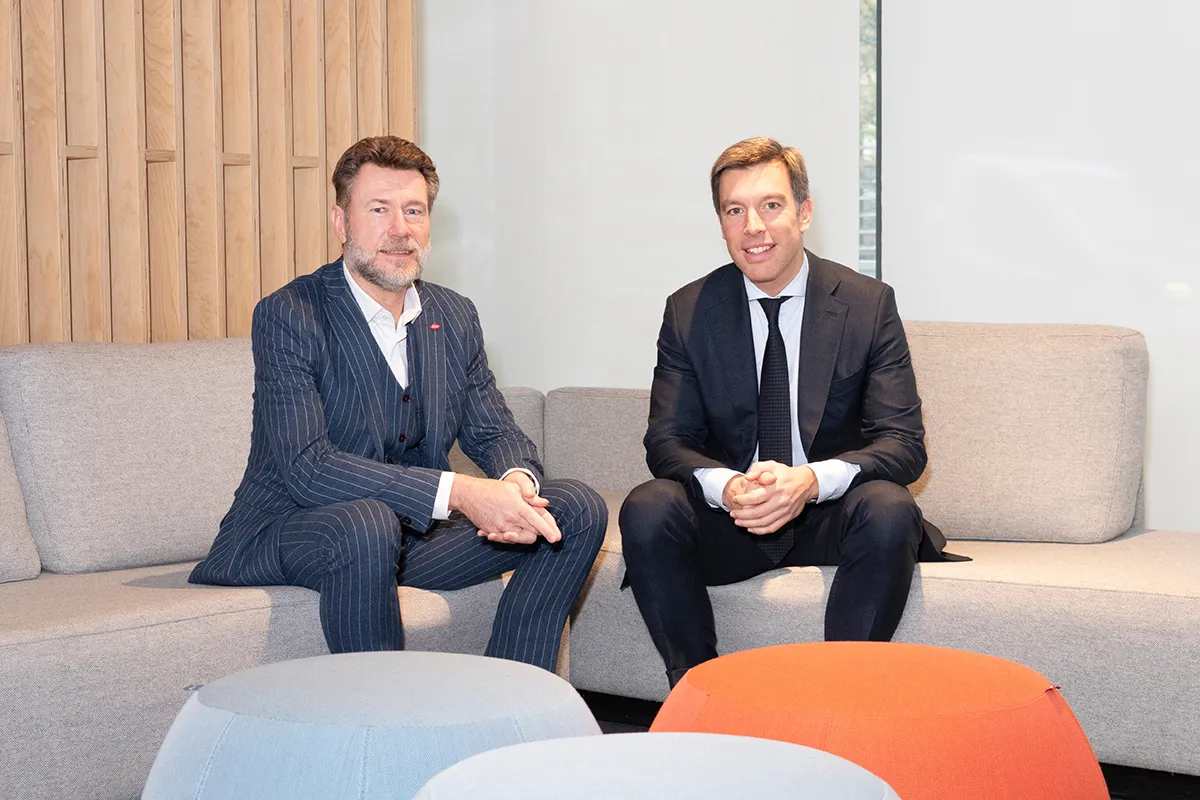
Cover interview with Bart Buysse (Unizo) and Frank Beckx (Voka)
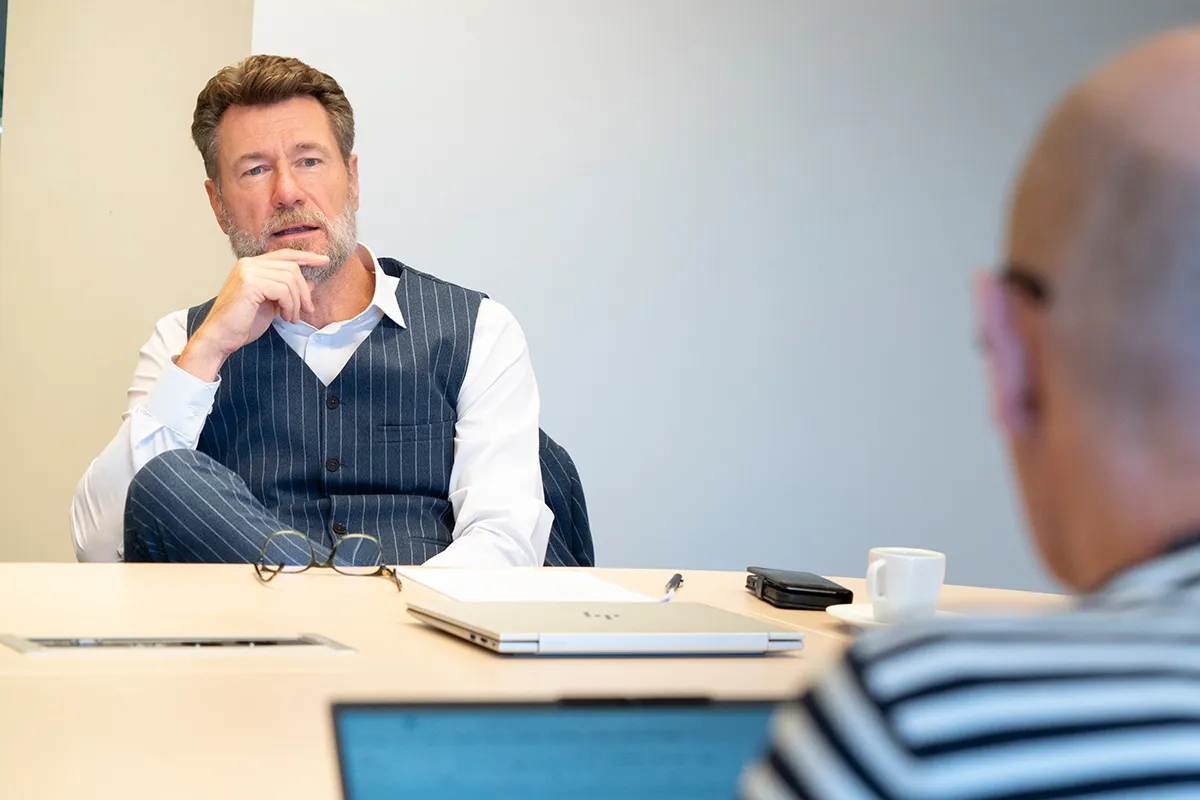
Since 1 September, the two leading Flemish employers’ organisations have had a new chief executive. Bart Buysse (57) is CEO of Unizo, the union of self-employed entrepreneurs, which has 180 employees. Frank Beckx (45) is now managing director of Voka, the Flemish network of enterprises, leading a 55-strong team in Brussels. They take up their roles at turbulent times, both geopolitically and at home. On the eve of a three-day national strike, and after almost 100 days in their new positions, Business Vlaanderen brought Beckx and Buysse together for a joint interview.
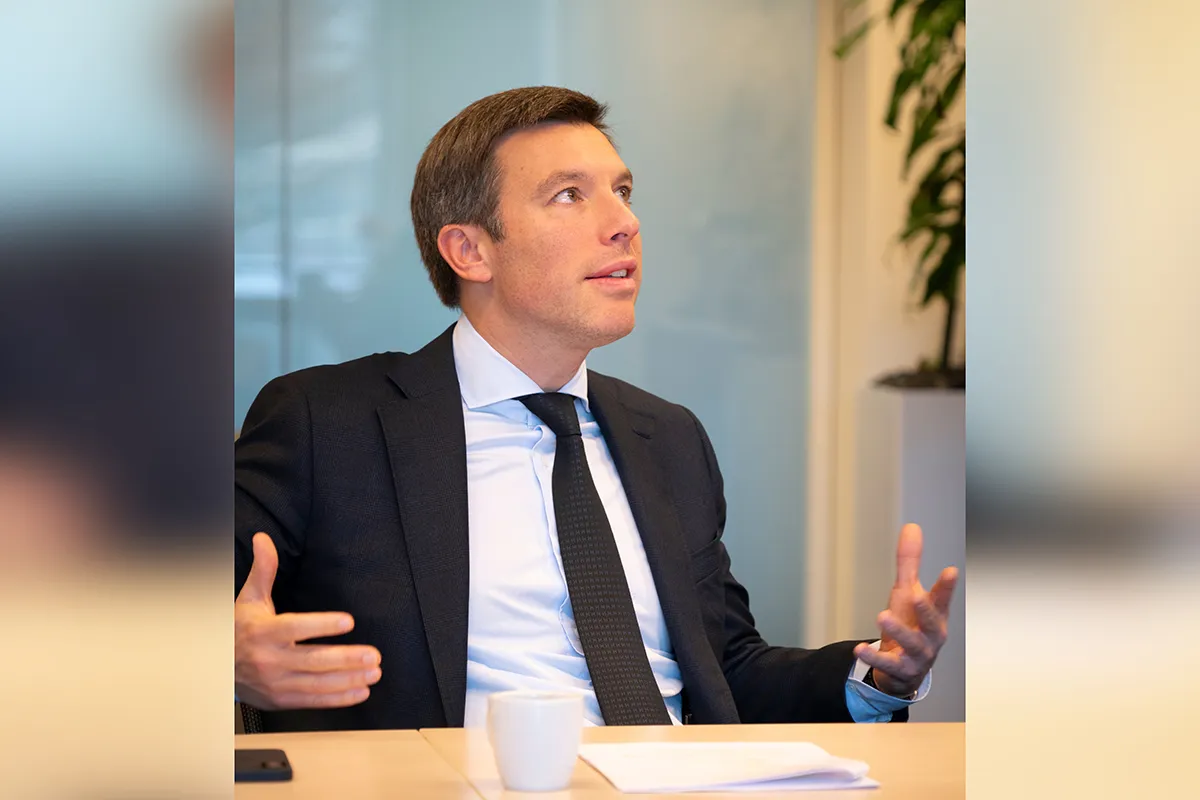
We are living through economically uncertain times. What are Unizo and Voka members experiencing?
Bart Buysse: There are both negative and positive signs. But the underlying theme is concern. In our October SME barometer, business confidence plunged by 6%, a full 3 percentage points below the ten-year average. Entrepreneurs tell me that costs keep rising, profitability is under pressure and they are worried about the snail’s pace of domestic politics. The uncertainty is causing decisions and investments to be postponed. Sectors such as construction, industry, hospitality and events are struggling. And last year, Flanders saw a large number of bankruptcies. Smaller businesses with up to 10 employees are bearing the brunt. We have lost more than 17,000 jobs that way. That is many times more than the 600 jobs at risk at BASF!
Frank Beckx: Our quarterly business survey also shows that there is still no light at the end of the tunnel. 6 in 10 companies view the economic climate as negative or very negative, while 3 in 10 are considering restructuring in the coming months. Taken together, the situation is urgent. Companies expect the government to take action on energy prices, labour costs, permitting policy and regulatory burdens … The Arizona government’s reform-minded agenda, which includes measures we have been waiting for for so long, must be implemented without delay. Uncertainty leads to investment being postponed, and we will feel the effects in the long term.
Where are the positive signs? What gives you hope?
Frank Beckx: Our economy is still growing a little. That is something, but not enough in the long term. I am also looking at sectors such as agrifood and pharmaceuticals, which are holding up well, and especially tech companies and service providers focused on digitalisation and AI, which are going from strength to strength. So how can we use technology as a lever to boost productivity? The economy has to bounce back, we have no other choice. We must not forget that the current 1% growth is not enough to safeguard our prosperity.
Bart Buysse: One thing I have noticed is that the number of self-employed entrepreneurs and freelancers is rising. Freelancers are firmly established in our labour market and provide valuable support in many sectors. The figures show that Flanders has a record number of active self-employed entrepreneurs: 1 in 8 people of working age is an entrepreneur. And last year, twice as many people started working for themselves as stopped: 91,000 new starters compared with 48,000 who stopped.
Frank Beckx: Another positive is that the economy is now very much part of public debate. It is no longer a given that we will maintain our prosperity. We need to reform and make savings, while also developing a strategy to stimulate economic growth and create new jobs. The importance of a competitive economy is finally receiving greater attention among the wider public.
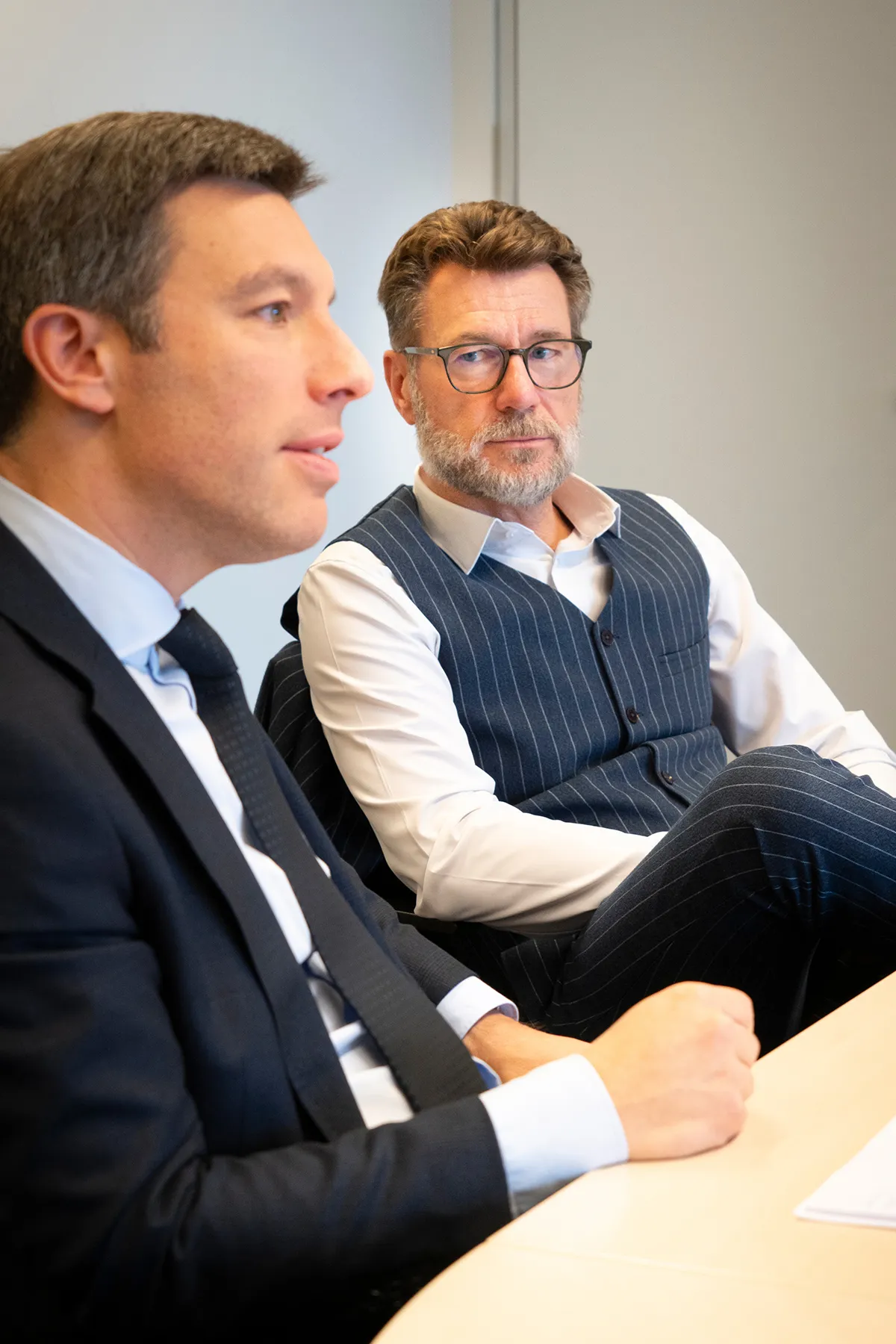
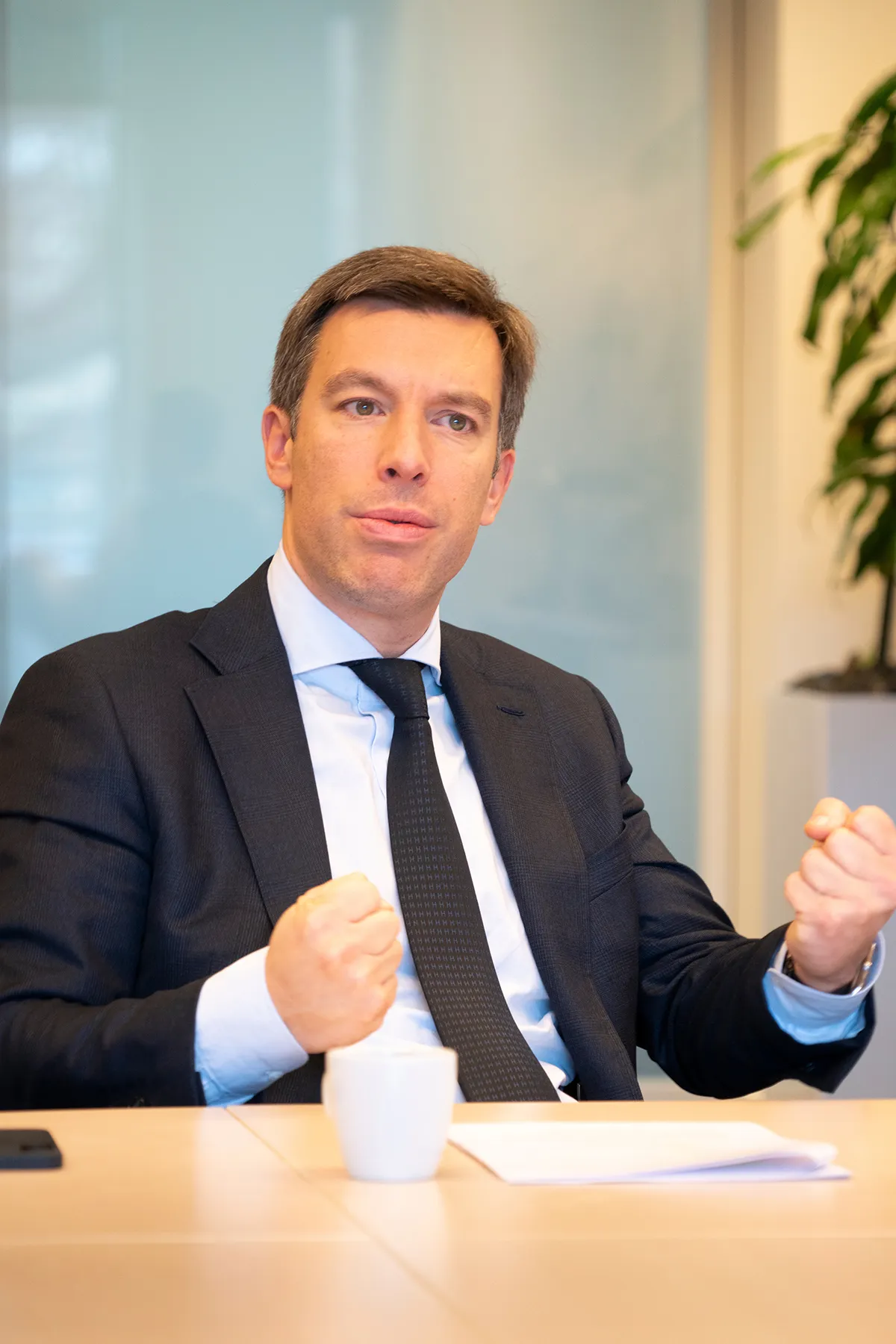
In his latest book, Peter Hinssen says we need to adapt to “the never normal”. Uncertainty and volatility will define the coming decades. How are your organisations trying to support their members in this regard?
Bart Buysse: Business leaders need direction: they want to know where we are heading overall. It is our job to offer a clear outlook and convey that message to politicians, and to help create a policy framework that strengthens the competitiveness and flexibility of our businesses, making them agile and resilient. We also inspire and support our members through peer-learning networks, training and tools. In turbulent times, this is how we make a difference and demonstrate our relevance.
Frank Beckx: As business organisations, we need to be a compass for politicians, ensuring that they understand what businesses need. Our members expect us to influence policy. And as Bart says, our training offer should help businesses become stronger, for example by answering questions such as: how can we increase productivity when labour shortages are structural? How can we get more output per hour worked? And how can SMEs make the most of digitalisation and AI? We want to show them the way.
Industry has had a particularly difficult time in recent months. What can the Flemish government, which is responsible for the economy and industry, do? And can it act quickly enough to turn things around?
Frank Beckx: Europe, the Green Deal and overregulation have often been blamed. But every level of government should put its own house in order: every government can help boost competitiveness. Flanders has a major task ahead in getting permitting policy moving again. An expert committee led by Mark Andries has delivered a report containing 45 measures. Let’s turn those into decrees and decisions, so that we can see the results on the ground by summer 2026. We also need to make progress on electricity supply. Grid congestion is becoming an increasingly common problem, leaving companies unable to secure the capacity they need. Decisions are needed there too, for example on flexibility.
Bart Buysse: A major challenge is tackling complexity. Surely we don’t have to lay down everything in legislation? More rules are still being added than scrapped. We need major administrative simplification and much more trust in businesses and citizens. But politicians tell me that simplification is difficult. Perhaps we should take the initiative here among the social partners, or in a tripartite forum with politicians? I also think politicians often focus too much on large companies, when SMEs make up the largest group of businesses in our country. Let’s tailor our policies more to them.
Frank Beckx: The federal government also has work to do. Take the Federal Learning Account, a monstrous administrative obligation. They have been trying to abolish it for months, but it still hasn’t happened. That shows how difficult it is to scrap rules.
Trade unions have organised many protests this year against the federal government’s policies, which they say are too heavily weighted in favour of businesses. Is social dialogue still alive within the SERV?
Bart Buysse: It is all about perception. Trade unions constantly talk about “gifts” to businesses. But I note that the savings rounds currently under way at both Flemish and federal level also require entrepreneurs to make an effort. With the trade unions opposing the government, social dialogue is not easy, including at Flemish level. Taking action and holding talks do not go together. In these tight budgetary times, we will need to try to reach agreement with the trade unions on issues where we can jointly influence government policy. We both have expertise and practical knowledge, and we should be able to overcome our differences so that we can fulfil our role as social partners.
Frank Beckx: Some trade unions are firmly in opposition mode. The strikes are coming at the worst possible time for our economy. A politically motivated strike is being held at a time when companies are under severe pressure. Are trade unions still defending working people in Flanders? I think it is high time to leave the trenches and look further ahead. Our starting point should be: what can we do together to keep the welfare state standing?
What do you expect from 2026?
Bart Buysse: A fresh start for the federal government, renewed prospects for a more sustainable budgetary path, although I am also concerned about 2027, and further implementation of the coalition agreement. Our entrepreneurs are ready to go for it, but they need perspective and stability. The deadlock and stop-start politics must therefore end urgently. Just look at what is happening in Brussels, on top of all the trade union actions. It damages the international image of the entire country. In addition, social dialogue will gather pace with negotiations on the wage norm, wage indexation and preparations for the next interprofessional agreement for 2027-2028. It will once again be a crucial year.
Frank Beckx: It is crunch time. Time to implement policy with full powers. For me, that means the four-leaf clover of permitting, industry, energy and regulatory burdens. Those are the priorities for our policymakers. And because our member companies give their best every day, it is up to us as an organisation to renew ourselves and make sure we make the right choices for the future.
Question about this story? Ask your question
Keep following this
Get an email when a new story is published. No account needed.
- SubjectGeneral







