




Energy crisis leaves transport sector gasping for breath
“We are losing more and more ground to foreign competitors”
Belgian roads have never seen so many traffic jams. This is striking, given that there is less traffic on the roads. Freight traffic, however, has increased, and this trend is expected to continue in the coming years. “You might think that means our sector is doing well, but nothing could be further from the truth. The high fuel prices are gradually becoming unsustainable for Belgian hauliers,” says Isabelle De Maegt of trade association Febetra.

The days of the coronavirus pandemic, when you could reach your destination without getting caught in traffic, seem a distant memory. In fact, this autumn the queues were even longer than before the pandemic. “The increase in freight traffic certainly plays a part, but it is not the only culprit. Passenger transport is also responsible for all these traffic jams. More people may be working from home, but when we take the car, we often all do so at the same time,” says Isabelle De Maegt.
One possible solution is to spread out traffic and let lorries travel at night. “But the whole supply chain has to play its part. Not only port terminals but also other businesses need to be accessible at night, so drivers can unload their containers without incurring extra costs. As a federation, we are also calling for more intermodal transport. But here too, we face obstacles. For instance, hauliers have to pay transhipment costs, and they are already struggling enough as it is.”

Customers are presented with the bill
Hauliers have seen fuel prices rise by no less than 40% in a year. Isabelle De Maegt says: “But that is not the only cost that has shot up. Staff costs have also risen and will continue to do so because of the imminent wage indexation. In addition, the federal government has phased out the recoverable excise duties on professional diesel. As a result, our hauliers had no choice but to pass the price increases on to customers.”
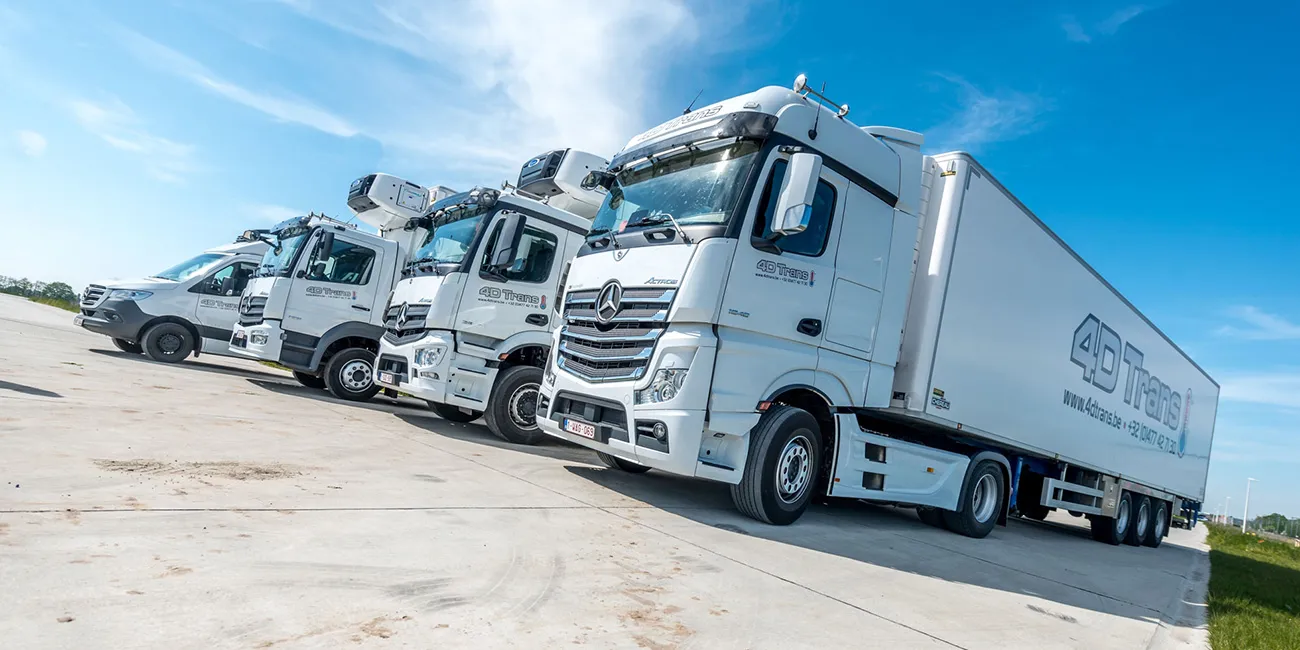
“We are trying to do that, but it is not that straightforward,” says Wim Boydens, managing director of Torhout-based transport company 4D Trans, which specialises in transporting food products. “We also use red diesel to refrigerate our lorries, and its price has gone up too. The AdBlue additive has also become considerably more expensive. These increases receive much less attention, which makes them harder to explain and pass on. Our margins are therefore coming under pressure.”
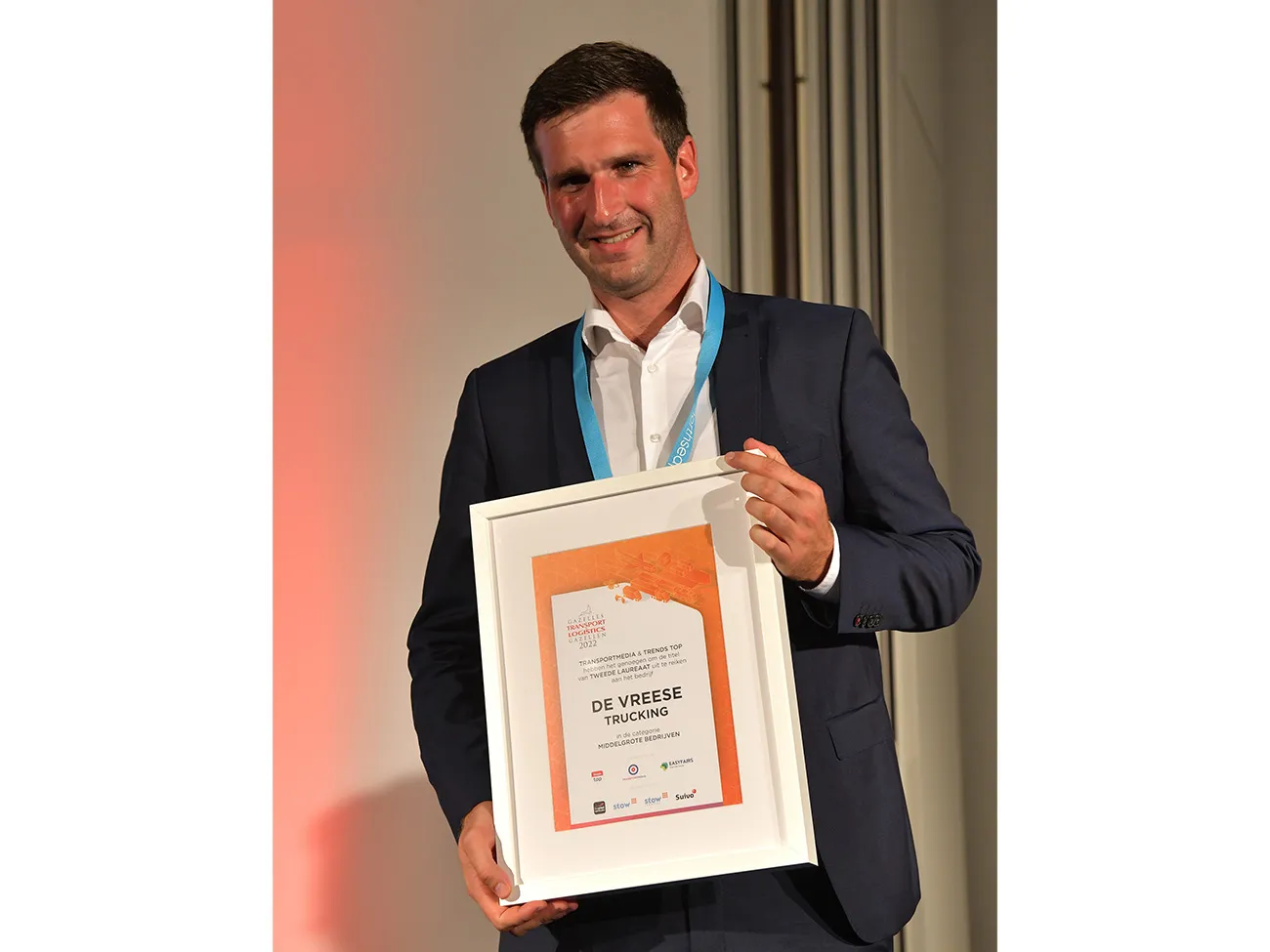
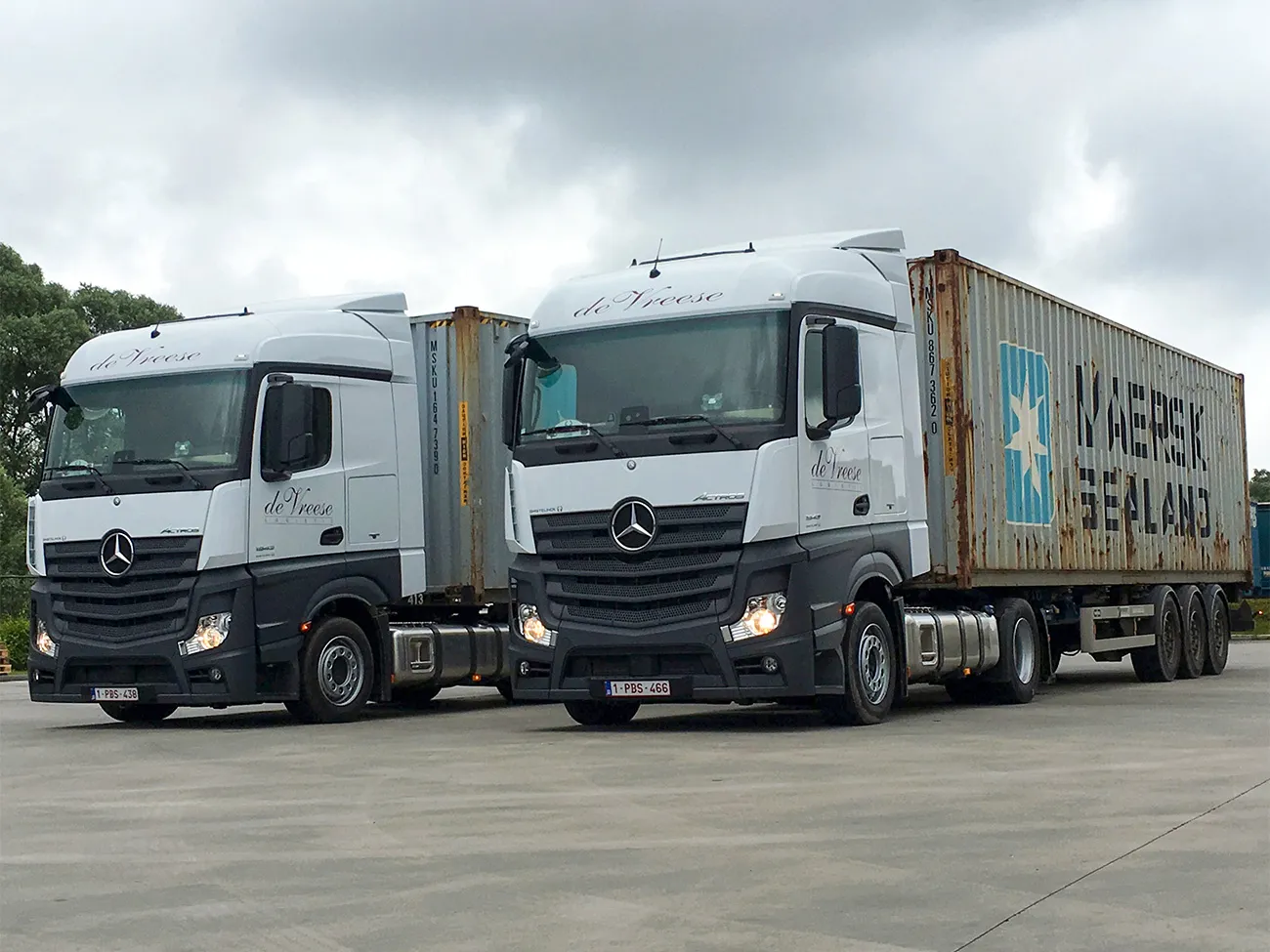
Wim has therefore looked for ways to reduce his overheads. “We recently invested in new planning software to improve efficiency. Other investments are on hold because we currently have no reserves. We cannot afford to operate at a loss.” De Vreese Logistic in Oudenaarde has a similar story. “We too have invested in new software in recent years. No new investments are planned at present, as the economic outlook does not allow for them. We are trying to absorb the rising prices by reviewing our diesel surcharge every week. Prices are simply too volatile, and we need to be able to pass costs on more quickly,” says Pepijn De Vreese.
A clear master plan for the sector
It is still too early to tell what 2023 will bring, but the outlook is bleak. “We are heading for a recession, and this always hits our sector harder because it consists mainly of SMEs. More than ever, we need a clear plan for how to give Belgium’s transport sector the breathing space it needs,” says Isabelle De Maegt. “Competition from abroad is also becoming increasingly fierce. Labour costs are lower there, wages are not automatically indexed, and excise duties at the pump are lower too. The competitiveness of Belgian transport companies is therefore under pressure, and we need to act now before it is too late.”
Question about this story? Ask your question
Keep following this
Get an email when a new story is published. No account needed.
- SubjectGeneral







