




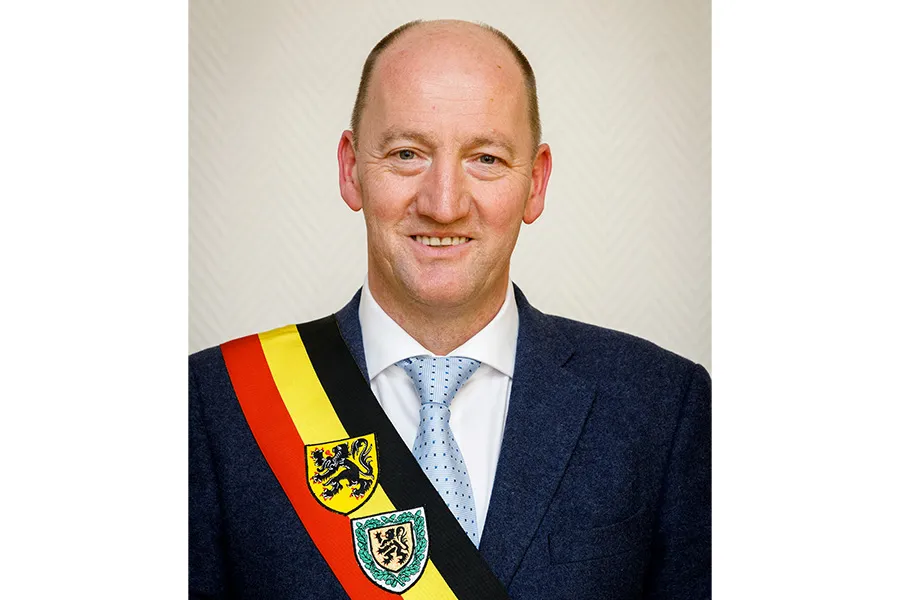
Eeklo Mayor Luc Vandevelde speaks
Text Björn CrulImage Michel Moens, Moments of Colour, Veneco, Vergauwe
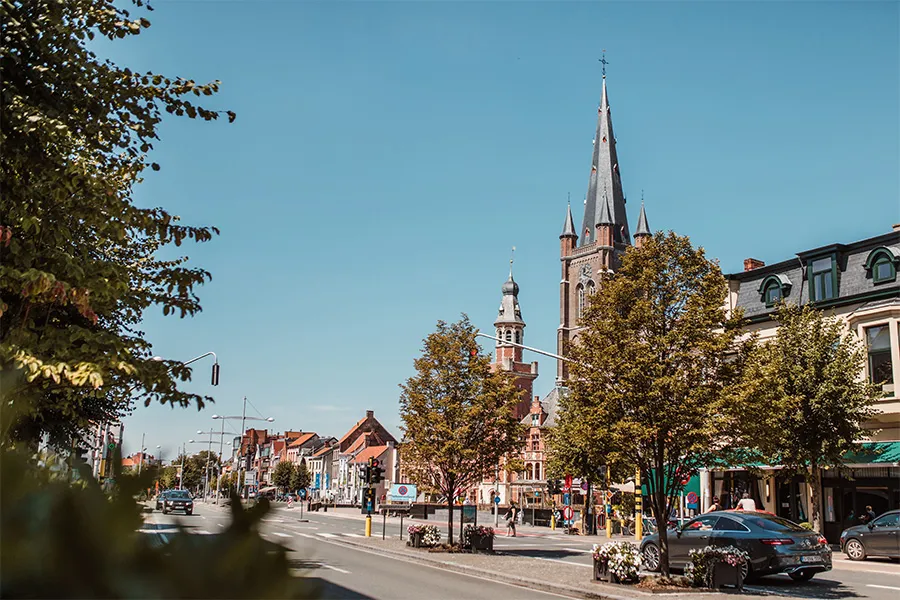
With around 22,500 residents, the city of Eeklo serves as a regional centre for the Meetjesland. It was keen to merge voluntarily with the more rural municipalities of Assenede, Kaprijke and Sint-Laureins, and had the backing of a citizens’ panel. But in the end, two of the four partners pulled out. The city, which has long played an economic role along the Bruges–Ghent axis, will therefore go it alone. Mayor Luc Vandevelde (SMS): “People need more time to come round to the idea. We could have created a city of 50,000 residents and secured a substantial bonus from the Flemish government. But I’m convinced this project will be back on the agenda in the future.”
Mr Mayor, how would you describe Eeklo’s local business community?
Luc Vandevelde: We have a thriving and highly diverse business community that creates many jobs. We once had a major textile and furniture industry, but it has almost completely disappeared. In its place, we now have a good mix of large companies active internationally, SMEs, retail and services. Well-known names in Eeklo include Lotus Bakeries, Vandemoortele and hygiene products manufacturer Ontex. Engineering firm SMO, window manufacturer Ramaco and steel construction company Victor Buyck also have a proud history. We also have plenty of smaller regional businesses and sole traders.
We are a compact city with a wide range of independent shops and chain stores, most of which are concentrated in the centre. In the 1990s, we were able to expand the retail offer considerably by redeveloping the former Krüger brewery into a shopping plaza with around 15 larger retail outlets.
What are the city’s strengths?
Luc Vandevelde: As well as our diverse business community, which offers entrepreneurs plenty of opportunities, we are easy to reach. We are on the N9 between Bruges and Ghent, and the E34, which links the port of Zeebrugge with Antwerp, is also nearby.
We are also an important centre for the region, with AZ Alma hospital, one of the city’s largest employers, and a broad range of education: primary and secondary schools, art and special education, as well as adult education. A large weekly market is held here on Thursdays, attracting people from across the region.
What does the future hold for the local economy? Where is there still room for business growth?
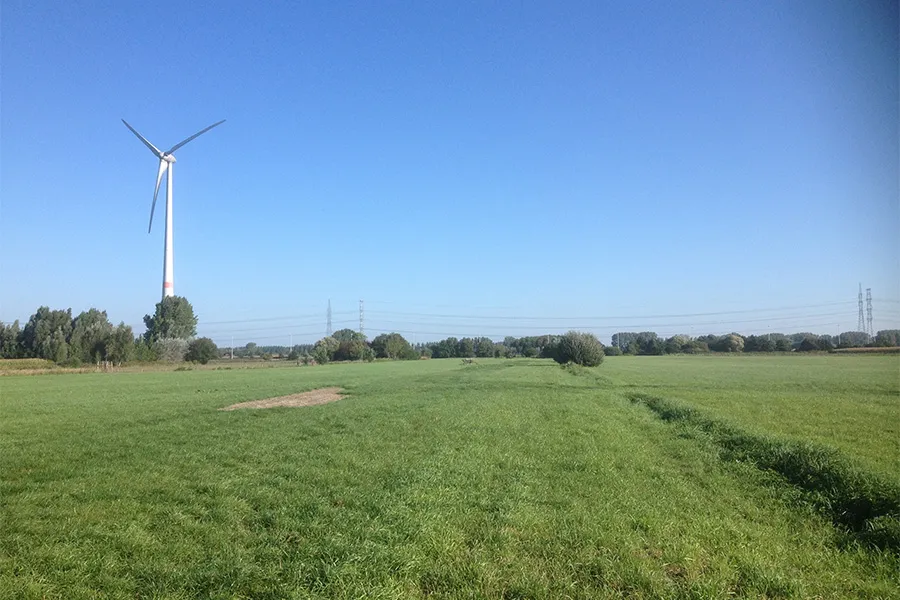
Luc Vandevelde: The outlook for industry is positive. We are expanding our existing industrial estate by 20 hectares, and the intermunicipal organisation Veneco is currently working on its development. For example, we will be welcoming Confiserie Geldhof, known for its Ghent ‘noses’, or cuberdons.
We also have ambitions for a sustainable regional business park next to the E34 in Balgerhoeke. Ideally, it would become a hub for clean, energy-related businesses. The province is working on a Provincial Spatial Implementation Plan to make this happen. This will naturally take time. The first plans were drawn up 15 years ago, but local residents were concerned about the development. We hope the latest version will finally address those concerns.
How is the town centre retail area doing? Is the vacancy rate under control?
Luc Vandevelde: Our self-employed business owners struggled during the coronavirus pandemic. The city supported retailers and the hospitality sector through tax exemptions and targeted subsidies. I don’t see any dramatic levels of vacancy today. The rate is broadly similar to that in other regional centres. Nor are we seeing more hospitality businesses close than usual. The city has drawn up a regulation to encourage property owners to find tenants for their commercial premises by offering grants. If that does not produce results, a vacancy tax will follow.
I’m also pleased to see niche shops on the rise: retailers specialising in a single clothing or eyewear brand. Shops that offer customers an enhanced experience are doing well too. I think there is still room to grow in this area. A vintage shop recently opened in Eeklo, for example, filling a gap in our retail offer. These developments will all help maintain our appeal as a shopping destination for the wider region. We even attract shoppers from Zeeuws-Vlaanderen!
How do you stay in touch with local businesses?
Luc Vandevelde: First and foremost, we consult with them regularly. We have an economic council for retailers, a dedicated forum for the hospitality sector, and the OKEE association, which represents businesses on the industrial estate. Through these bodies, our local economy officer and our own contacts, we keep our finger on the pulse and take action where needed. We place great importance on engagement: a city marketing project was recently launched, and a number of business owners have committed to helping develop it.
How does the city’s policy support local businesses?
Luc Vandevelde: We provide start-ups with a welcome and investment brochure, as well as a starter pack to guide them through the first steps of setting up a business. Through a pop-up scheme and a relaunch grant, we support new retailers with funding of up to 5,000 euros.
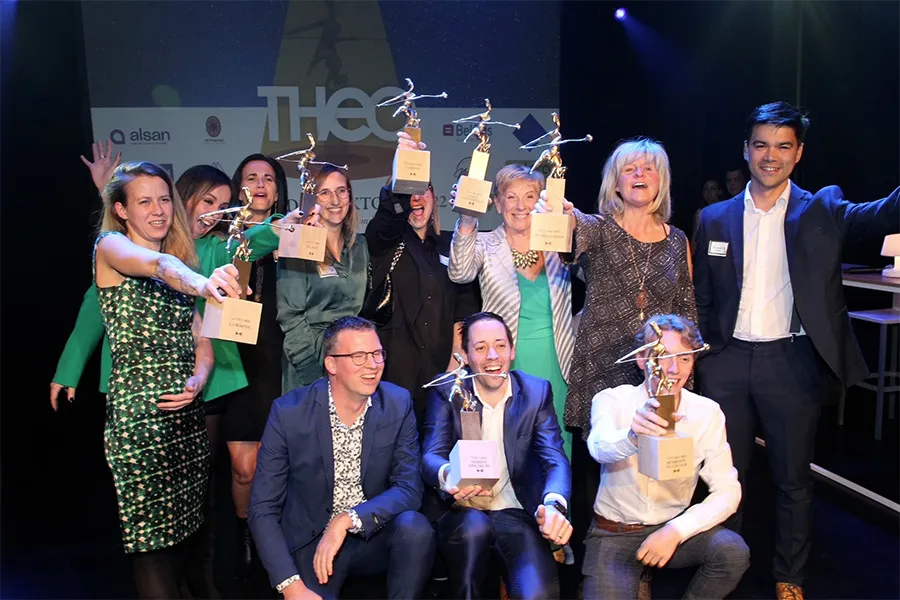
Every two years, we organise the THEOs, the Trofeeën voor Hedendaags Eekloos Ondernemen. Businesses can be nominated in categories including innovation and Retailer of the Year. This gives our businesses a platform and a symbolic boost.
Finally, we are working to make the town centre more attractive. This includes the vacancy regulation, as well as plans to depave the Markt by relocating the car park and creating a greener new meeting place. Businesses that renovate their premises can also receive financial support from both VLAIO and the city council.
Which other business-related developments are you looking forward to?
Luc Vandevelde: We have a strategic commercial plan, which includes strengthening the retail core, and work on the first projects will begin shortly. I’m also delighted that plans for a ring road around Eeklo are finally taking shape. The first sod was turned at the end of August, commissioned by the Flemish Agency for Roads and Traffic. The first phase, running until around April 2024, will cover the area between Industrielaan and Nieuwendorpe. The final phase, between Tieltsesteenweg and Gentsesteenweg, is due to be completed by 2032 at the latest. Traffic flow in and around the centre will therefore improve significantly over the next decade, to everyone’s benefit.
Question about this story? Ask your question
Keep following this
Get an email when a new story is published. No account needed.
- SubjectGeneral







