




Cultural entrepreneurs find audiences becoming more selective
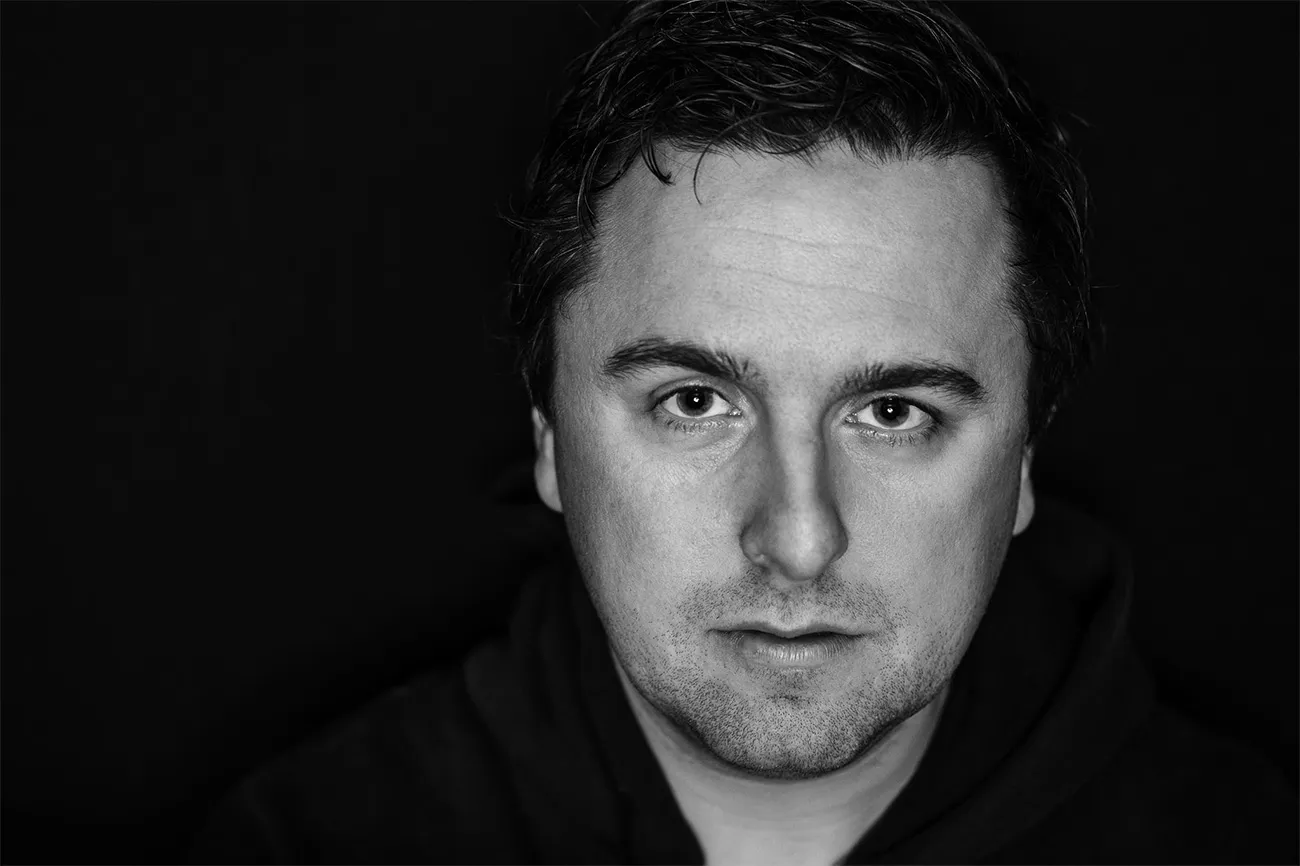
“We’re hoping to break through internationally”
Running a business is risky, all the more so for artists and entrepreneurs in the cultural sector. Cultural entrepreneurs often combine several jobs or projects to make ends meet. Pieter De Wulf, co-founder of GROEP 24, and choreographer and theatre producer Isabelle Beernaert give an honest account of their experiences as entrepreneurs in the cultural sector.
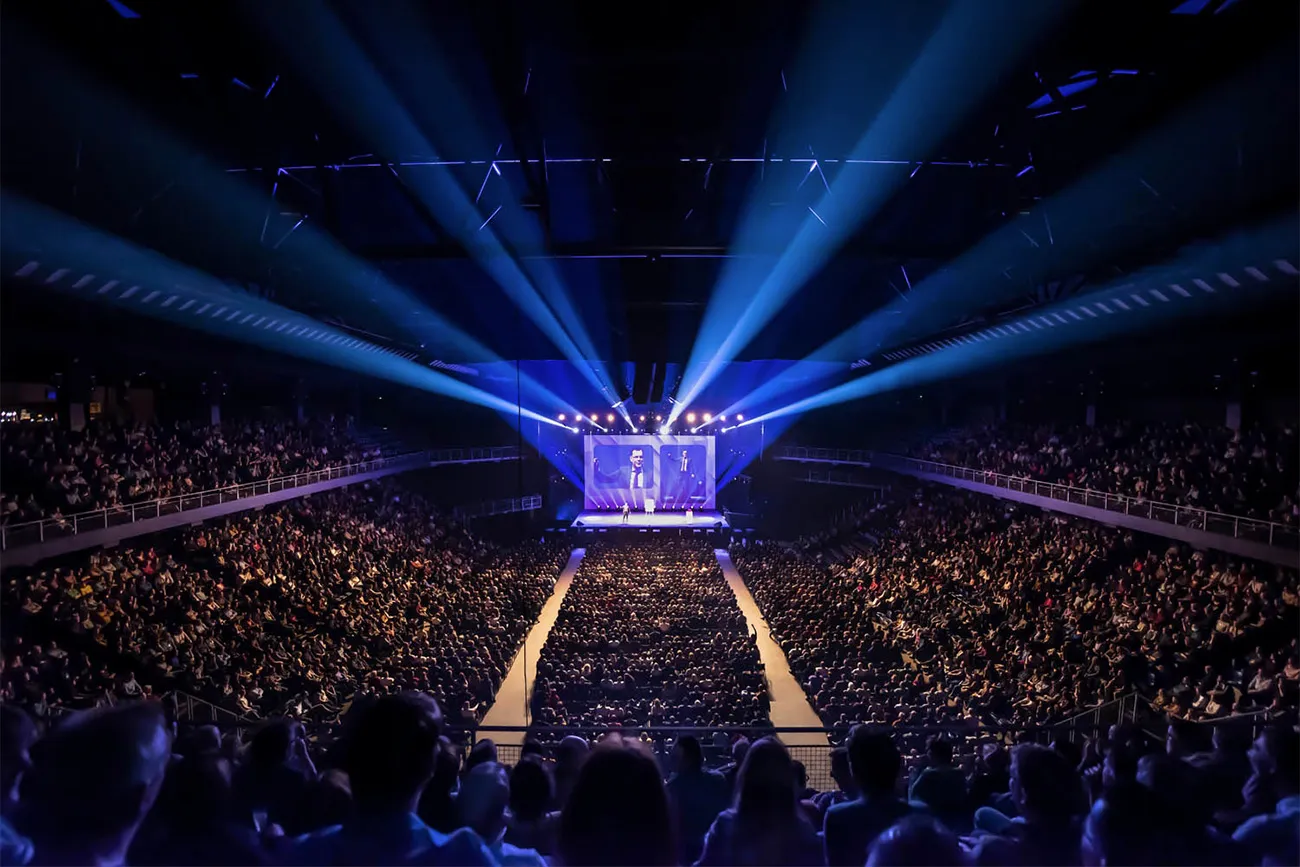
As a young man, Pieter De Wulf organised performances by alternative music groups. “Not every show made a profit, but in the end it did pay off. After combining my job as a care co-ordinator in education with organising performances for seven years, I decided to become a full-time entrepreneur with my business partner Kristof. It was when we turned our attention to stand-up comedy that things really took off, and we grew rapidly in a short space of time,” says Pieter, now co-owner of GROEP 24, which organises a diverse range of activities.
“Alongside comedy shows, we tour major tribute concerts in various cities. We also hold the licence to produce themed Monopoly games with cities or football teams, for example.” The entrepreneur sees further growth prospects too: “We set up our own advertising company, PROMOBOM, where seven full-time employees distribute posters and flyers to independent retailers. Despite the success of social media, we still see a clear impact from print advertising on ticket sales.”
A commercial springboard
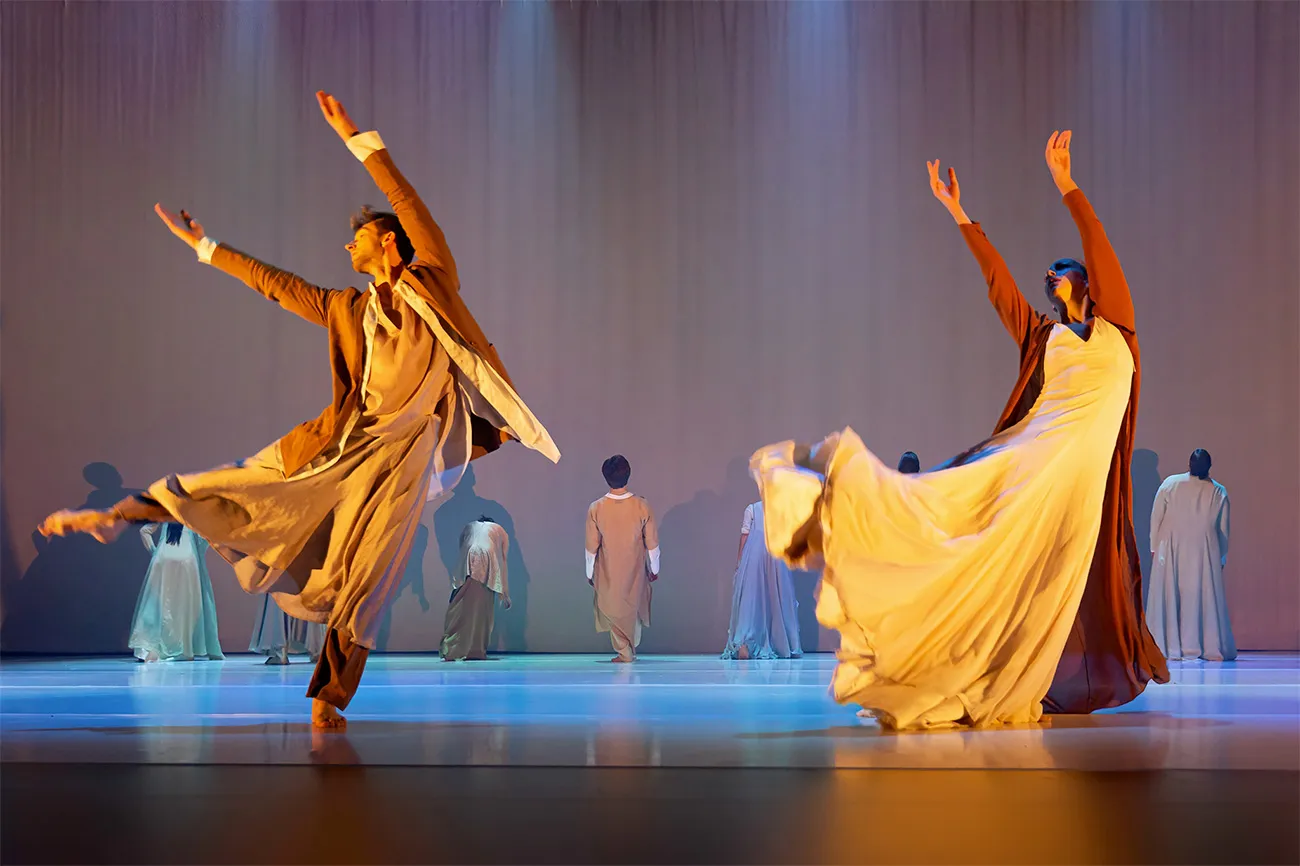
At the age of 13, Isabelle Beernaert already knew that “creating stories” was her calling. After completing her professional dance training at the Royal Ballet School of Antwerp, she became a choreographer. Today, she has her own company for the performing and visual arts, enabling dancers to pursue their passion in her productions. “If the energy you get from it propels you forward, then that’s the path you should follow,” she says.
“I gained knowledge and experience through various platforms, including fashion, theatre and television. That helped me work out which direction I wanted to take and what appealed to audiences. The TV format So You Think You Can Dance was my springboard to a wider audience, allowing me to programme my own productions on a large scale in Belgium and the Netherlands,” explains Isabelle Beernaert, who is touring this year with her new production Particles of God.

A brake on creativity
During the coronavirus pandemic, Isabelle was able to rely on various government financial support measures. “Artists receiving subsidies got extra funding, while entrepreneurial artists like me were offered a loan. It was a temporary helping hand, but it doesn’t help us in the long term. Neither when I set up my first non-profit organisation nor today have I managed to secure government subsidies. I don’t understand why. Are they not open to someone who doesn’t fit the conventional mould?” As a result, she has no choice but to find ways to make the business viable herself.
Stand-up comedy is a form of theatre, but it is often seen as commercial. Pieter’s organisation also misses out when applying for subsidies. “Our country has some very successful artists, and the government focuses solely on them. But there’s more than just the top tier. We also represent many performers who are still finding their feet. Their shows aren’t commercially attractive, but they are viable, which means the Flemish government doesn’t support us.”
Rising costs
Both entrepreneurs say the economic crisis is affecting their audiences. “Our ticket buyers are more selective and buy tickets less often,” says Pieter. Isabelle agrees: “Everyone is cutting back on spending. The more expensive tickets are clearly not selling, while the cheaper ones sell out quickly. We had no choice but to raise our ticket prices: we receive no subsidies, while energy, logistics and technical costs have risen sharply.”
The same applies to venue hire. “Venue operators can no longer pay their own bills, so they now use a tiered pricing system. Comedy falls into a more expensive category because they think it generates a lot of profit. Our sector has a positive, successful image, which we’ve worked hard to build, and now we’re being penalised for it. As a result, we’ve had to remove some very expensive venues from our offering,” Pieter admits.
Yet both remain ambitious and optimistic about the future. They have their sights set on international markets. “Magician Nicolas Arnst is part of our roster. His talent opens the door to international opportunities,” says Pieter De Wulf. Isabelle Beernaert is also hoping her shows will break through internationally. She also wants to find greater peace of mind as a cultural entrepreneur. “Setting up a company with a basic level of financial support gives you peace of mind and opens up opportunities. If you can pay your dancers and staff without worrying, it takes a huge amount of stress away,” she concludes.
Question about this story? Ask your question
Keep following this
Get an email when a new story is published. No account needed.
- SubjectGeneral







