




CSRD as a lever for circular collaboration
Text Anse KeisseImage Renewi
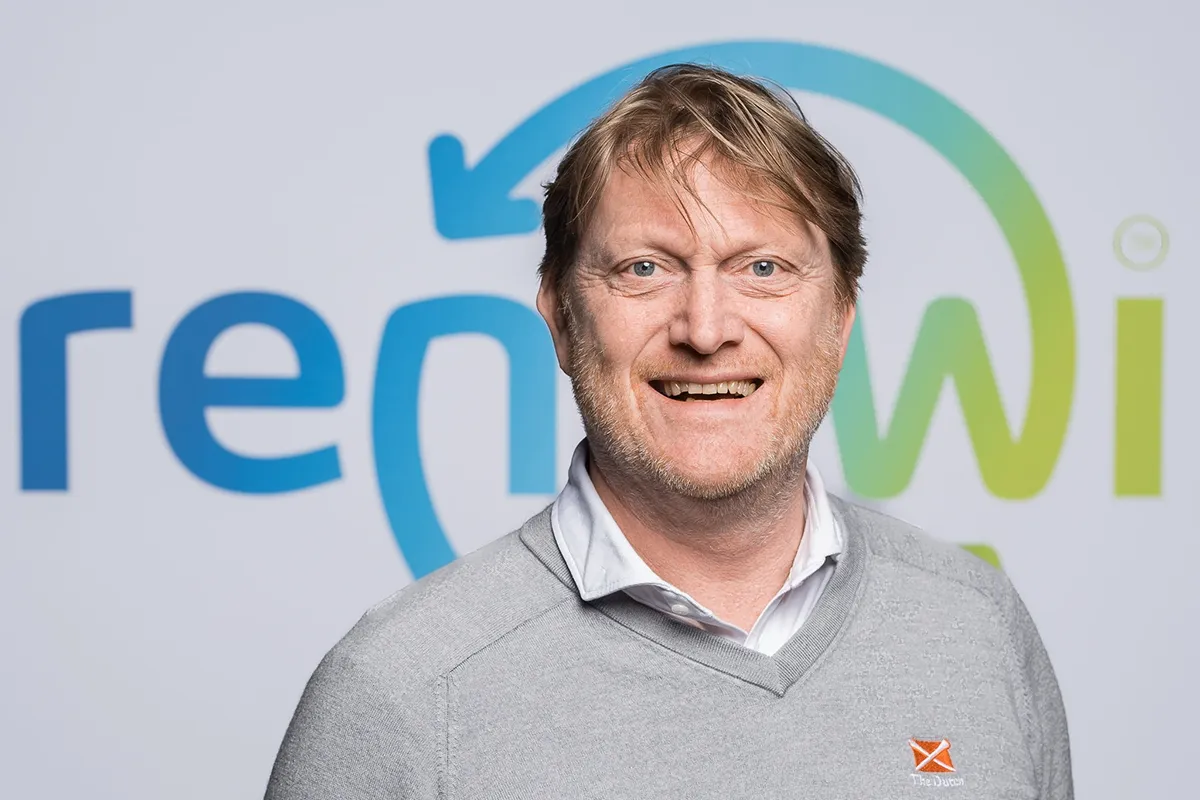
“New European rules require accurate data”
From 2025, the Corporate Sustainability Reporting Directive (CSRD) will require thousands of companies in Europe to report in detail on their sustainability impact. For many businesses, this presents a major challenge. Renewi, which specialises in circular waste processing and resource management, sees the CSRD primarily as an opportunity. “For us, it is a lever to work with customers to achieve genuine sustainability and build long-term partnerships,” says Head of National Accounts René Heijmeskamp.
The CSRD is a European directive requiring companies to report transparently on their environmental, social and governance (ESG) efforts in line with common standards. The focus is not only on direct emissions (scopes 1 and 2), but also on the wider impact of the supply chain, including waste processing and material reuse (scope 3). This is precisely where a company such as Renewi plays a key role.
To report accurately and in a verifiable way, companies need detailed and reliable data. Mandatory sustainability reporting focuses, among other things, on climate impact and the circular use of resources. “Many organisations struggle to collect and verify this data, especially when they depend on external parties. Renewi has developed its own approach specifically to address this,” says René Heijmeskamp, Head of National Accounts at Renewi.
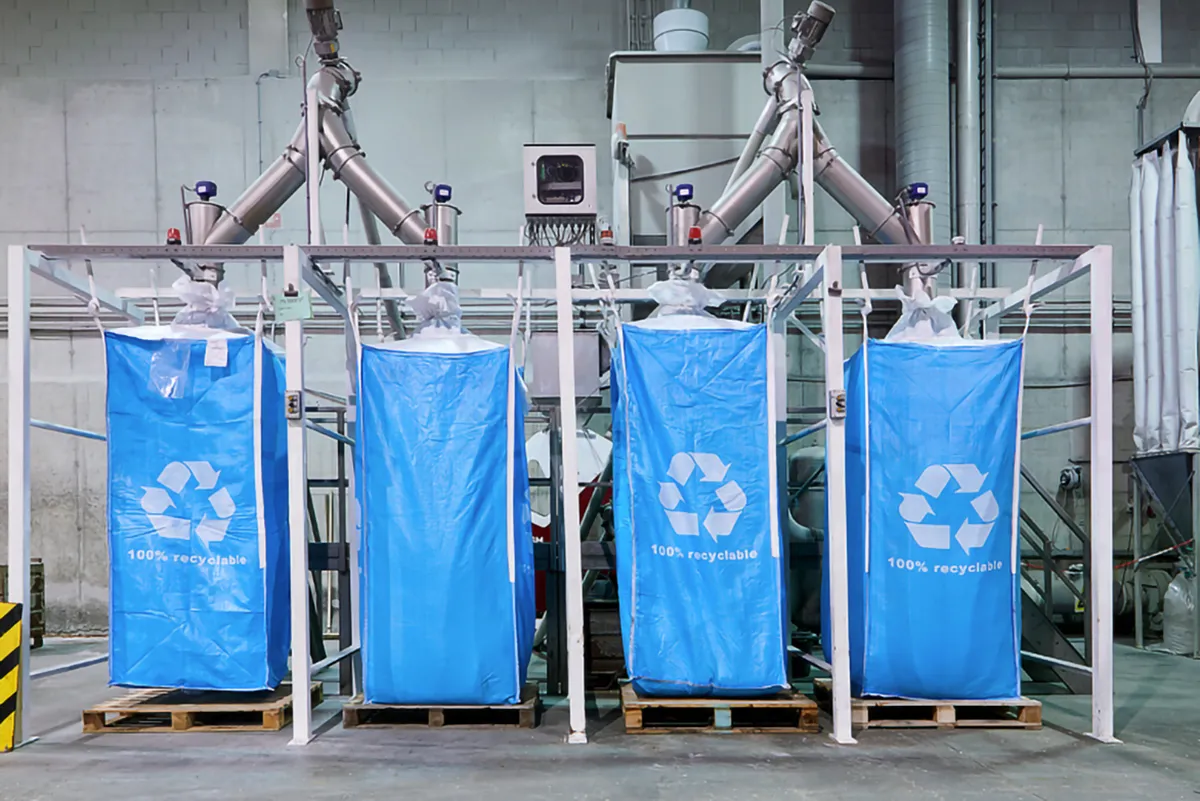
From waste data to auditable sustainability figures
The leading company has developed an additional CSRD reporting tool within its existing MyRenewi customer portal. “We didn’t want to simply show averages or industry figures. Our customers need to be able to rely on genuinely auditable, scientifically backed data,” says Heijmeskamp.
Renewi therefore commissioned TNO, the Netherlands Organisation for Applied Scientific Research, to calculate the CO2 impact of its processes. It also asked international consultancy and engineering firm Royal Haskoning to analyse the circularity figures for its 30 main waste streams.
The reporting tool gives customers insight into their performance in terms of CO2 emissions and circularity. “This means we provide companies not only with the mandatory information they need for their sustainability reports, but also with a strategic starting point for further improvement.” The data are validated, can be used directly in CSRD and other sustainability reports, and provide a benchmark against industry peers.
Strategic supply chain partner
European sustainability regulations are fundamentally changing Renewi’s role, says Heijmeskamp. “Whereas we used to be primarily a waste processor, the rise of ambitious regulations such as the CSRD is making us increasingly a supply chain partner. We help customers not only with compliance, but also with setting targets and improving their sustainability profile.” To do this, Renewi works with customer profiles, ranging from those with minimal reporting obligations to ambitious frontrunners looking to integrate circularity into their core strategy.
“Our data enable us to work with customers to assess where they are today and where improvements can be made. Sometimes this leads to immediate action, such as improving waste sorting in the workplace, or even to broader circular projects.” Sector-specific support is also important. “The approach for retailers focused on packaging and transport, for example, differs significantly from that in industrial sectors, where hazardous waste and material reuse are priorities. We have therefore built in sector-specific indicators tailored to the particular challenges and legislation.”
Collaboration as the key to accelerating circularity
The CSRD is therefore leading to more collaborations, and deeper ones. “Companies are now actively approaching us to ask about circular solutions,” says Heijmeskamp. “For example, in the healthcare sector, we are working on circular solutions for operating theatres with partners such as GreenCycl. High-quality materials are now being reused or refurbished instead of simply being incinerated.”
Renewi is also accelerating its own efforts: electrifying its fleet, using circular concrete for the construction sector and collaborating with producers are directly improving customers’ sustainability impact. “The CSRD may not be mandatory for every company, but it is a strategic compass that enables lasting progress. We see this reflected in the contracts we sign: we are moving from short-term deals to long-term partnerships lasting eight to ten years.”
Question about this story? Ask your question
Keep following this
Get an email when a new story is published. No account needed.
- ThemeEnergy security and the circular economy
- SubjectGeneral







