




Cross-border business: Northern France appeals to Belgian entrepreneurs
Text Lies De SmedtImage Agristo, KPMG, CCFBL
With its central location, open economy and highly skilled workforce, Belgium has a lot to offer entrepreneurs. “But borders are what they are,” says the French-Belgian-Luxembourg Chamber of Commerce. The business association is seeing more and more companies cross the border in search of space and a larger market.
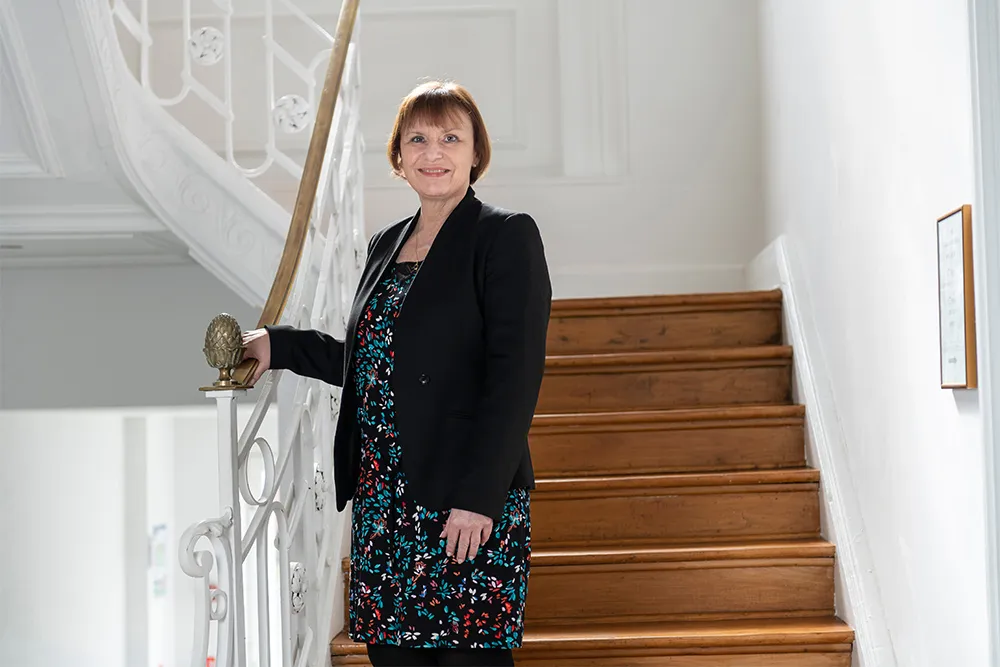
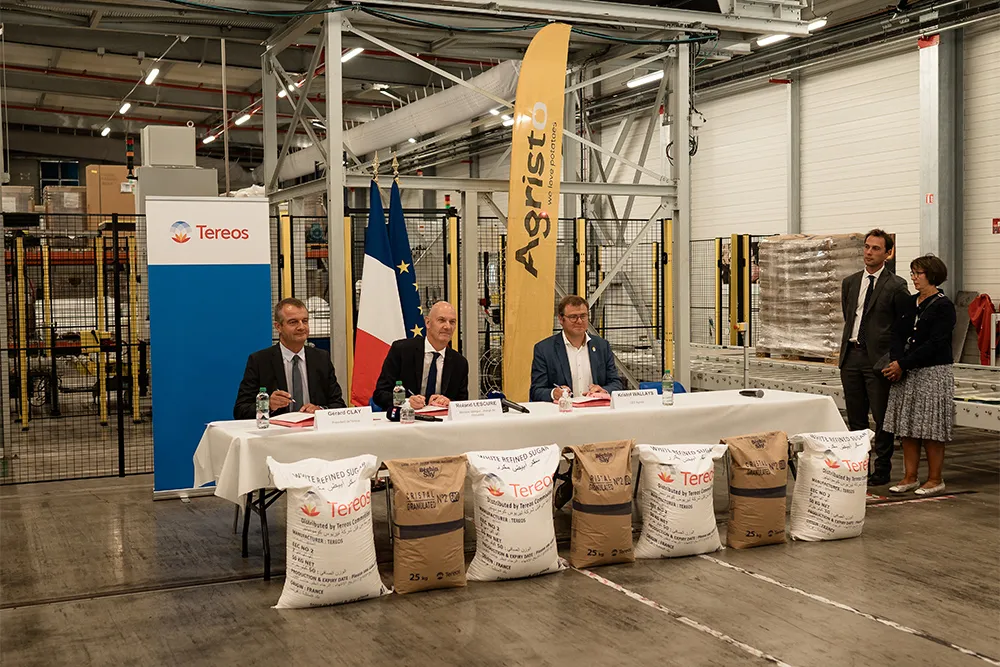
West Flanders frozen potato products producer Agristo plans to open its new ‘french fry factory’ near Cambrai in northern France in 2027. Agristo joins the 800 Belgian companies already operating in the French region of Hauts-de-France. “Over the past decade, we have seen a steady influx of Belgian companies into our region in northern France.” Speaking is Patricia De Backer, since 2007 the (Belgian) leading lady of the Chambre de Commerce Franco-Belgo-Luxembourgeoise (CCFBL).
The French-Belgian-Luxembourg Chamber of Commerce has been around since 1902, but only really gained momentum in the 1990s. “Since then, many excellent companies have set up in our own business centre, in or around the Lille metropolitan area, or along the route towards Paris. Belgium is a great place, but borders are what they are. A market of 12 million customers or one of 67 million ... that tells you France’s main advantage. The second is our central location in relation to Brussels, Paris and London. The further into France you set up, the higher your transport costs.”
Room to do business
It is mainly companies in the food, logistics and services sectors that cross the border. They find room to do business there, both literally and, above all, figuratively. De Backer: “The French government has a very attractive policy for foreign investment. It also recognises that Belgian projects are high quality and create jobs. As a result, entrepreneurs receive active support in finding a suitable site and even obtaining a permit. Here, the rules for such permits are set nationally. With a few exceptions, new projects do not face opposition.”
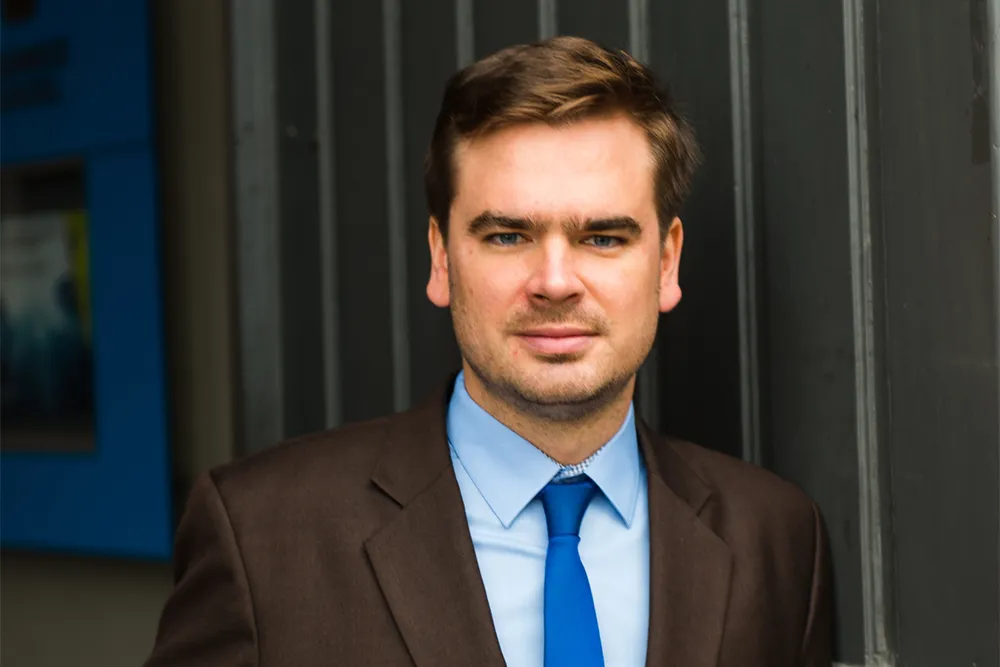
KPMG Law confirms that cross-border business is on the rise. Together with KPMG consultants, the law firm provides companies with legal and tax advice and support, including when they expand their operations abroad. “Given its favourable location and market potential, companies soon turn their attention to (northern) France. The big danger, however, is underestimating the size of France,” warns Arthur Lahousse, a lawyer at KPMG Law in Kortrijk and vice-chairman of the French-Belgian-Luxembourg Chamber of Commerce.
A well-thought-out plan
“You need to decide in advance how you will structure your operations across the border. Companies that start out without the necessary preparation sometimes quickly find that France is too big to cover without a well-thought-out plan. At KPMG Law and KPMG, we bring together a team of specialists with expertise in the complex landscape of tax, legal and financial rules. We tailor our work to the client and, thanks to our multidisciplinary approach and presence on both sides of the border, can help navigate the many pitfalls.”
The core team also includes employment law specialists. “French workers are known for being well trained, and Belgian companies are keen to hire them. But, as in Belgium, the labour market has shifted from a ‘marché de sélection’ to a ‘marché de séduction’.” CCFBL director Patricia De Backer adds: “There is a shortage of specific profiles on both sides of the border, such as welders. But in general, you can find workers more easily here, especially in the more remote regions, than in Flanders.”
“One thing I have found is that the Belgian management style cannot simply be copied blindly. Things do not happen ‘rap rap rap’ here, but through dialogue. Large companies in particular would do well to appoint a French management team when setting up here, possibly with coaching from Belgians during the initial phase. France also has a very hierarchical corporate culture, with a highly respected PDG at the top and several layers below. Using the formal ‘vous’ remains the norm. The Belgian way of communicating, which can sometimes be rather blunt, does not work here. If I am too direct, I say, ‘je suis désolée, je suis Belge’ (laughs).”
Question about this story? Ask your question
Keep following this
Get an email when a new story is published. No account needed.
- SubjectGeneral







