




CEOs of Plopsaland De Panne and Bellewaerde Park look ahead to summer 2025
Text Björn CrulImage Bellewaerde Park, Kris Van de Sande, Plopsaland
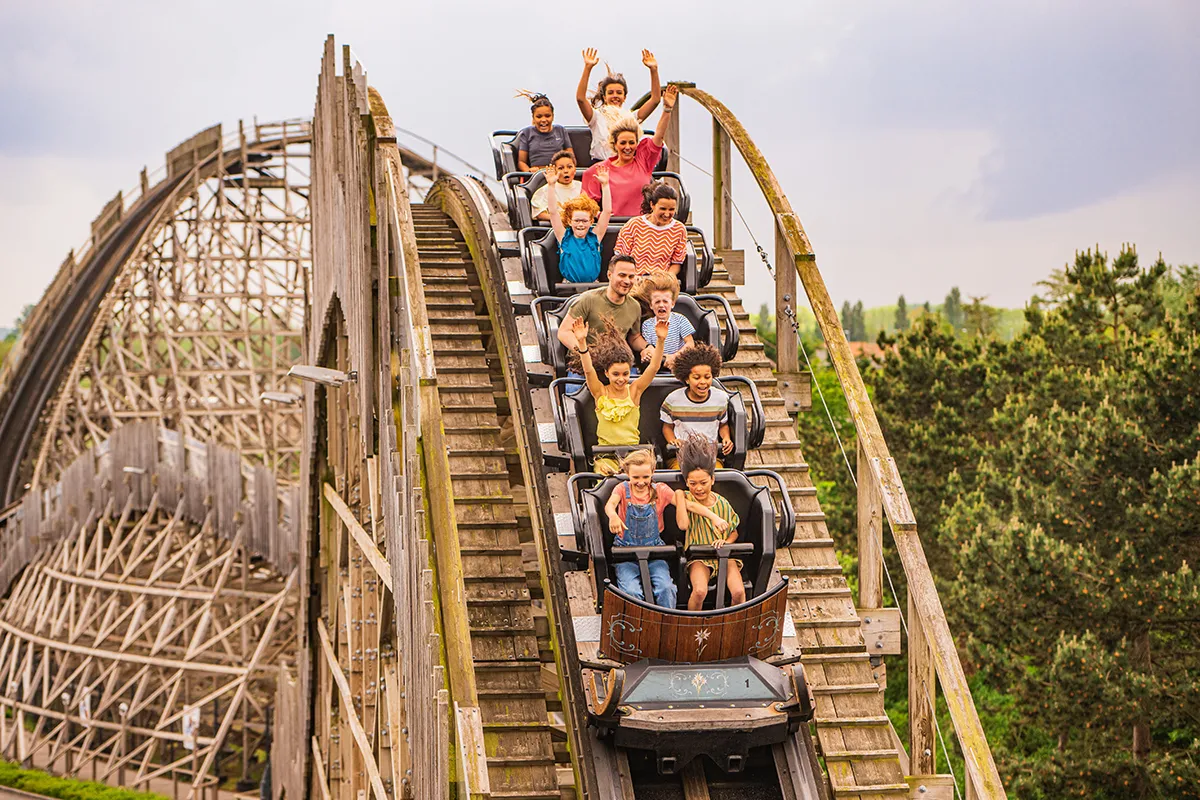
The summer holidays are just around the corner, traditionally a peak period for theme parks. West Flanders is home to two of the sector’s top attractions, Plopsaland De Panne and Bellewaerde Park. We spoke to Carl Lenaerts (CEO of Plopsaland) and Stefaan Lemey (park director of Bellewaerde) to look ahead to the summer and explore their growth strategies for the future.
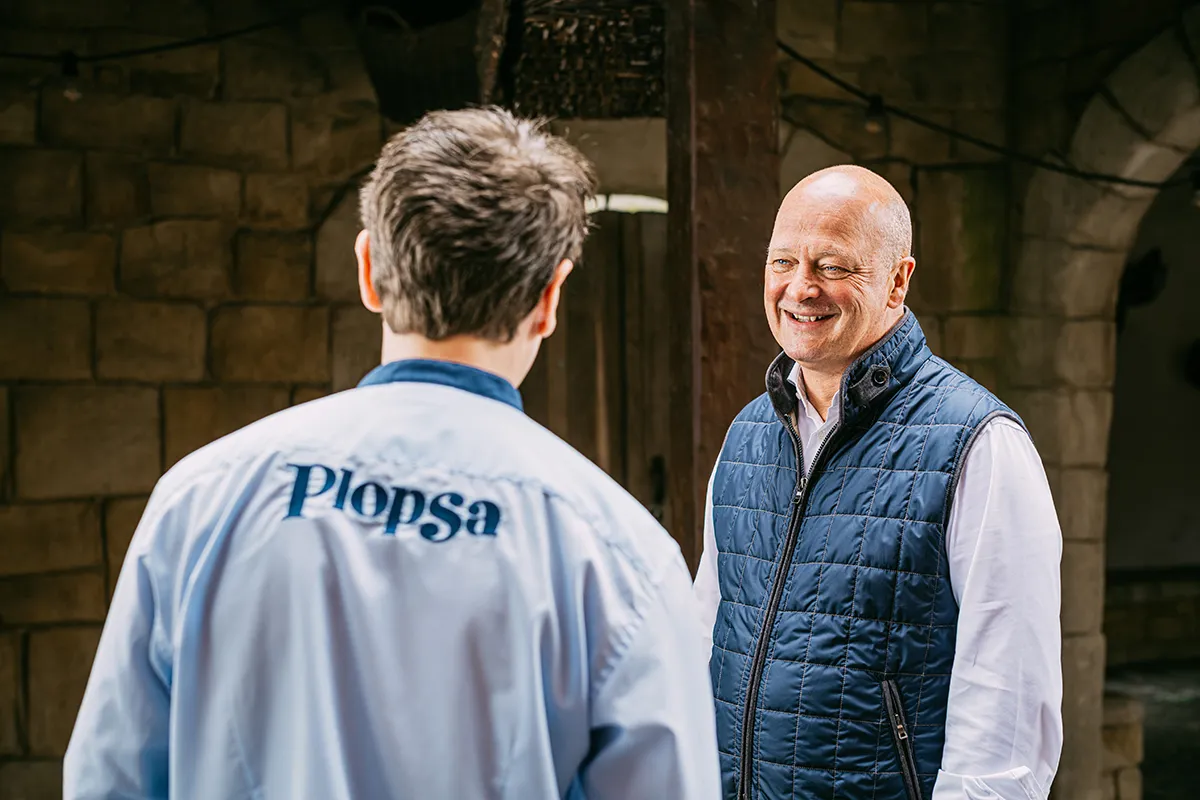
Plopsaland De Panne is celebrating its 25th anniversary this year. What began as a wild idea built around Studio 100’s TV characters has become an international success story, with parks in Belgium, the Netherlands and Germany. Since autumn 2023, Carl Lenaerts has headed the company’s theme park division. He is optimistic about the 2025 season and sees plenty of scope for further growth.
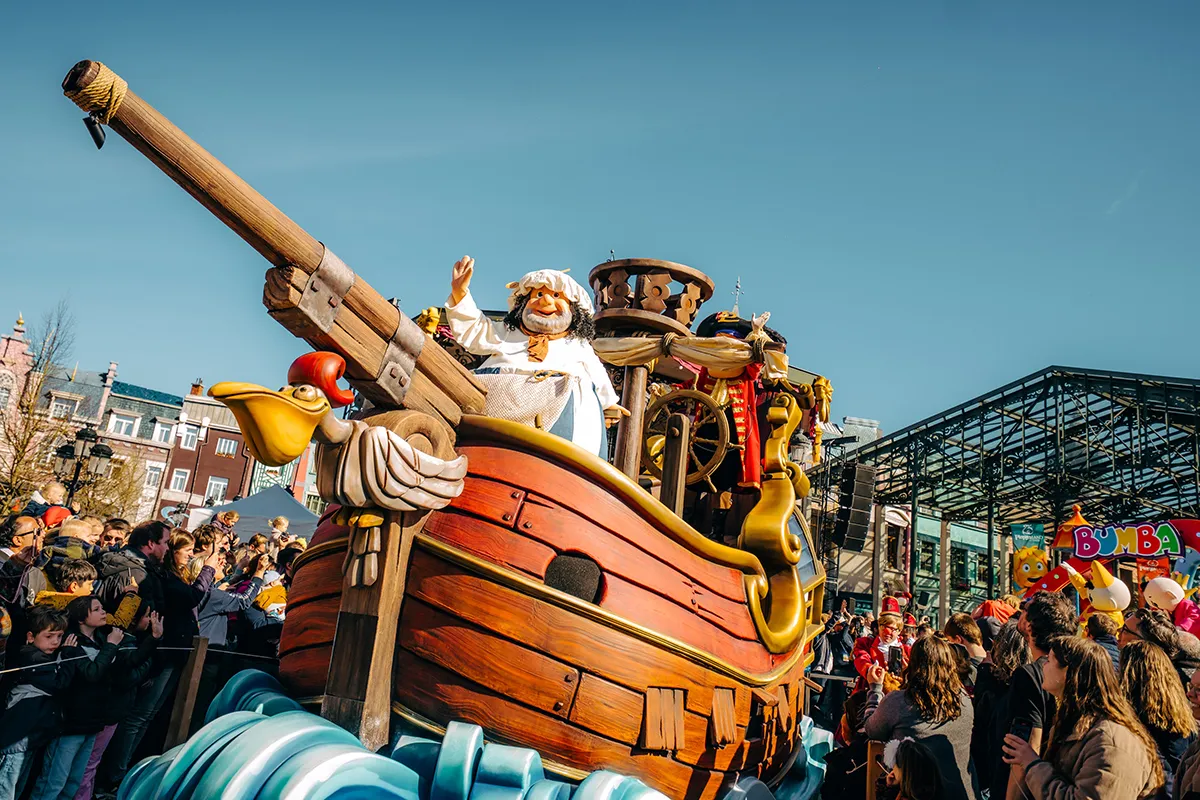
The success of Samson & Gert and Kabouter Plop inspired TV producer Studio 100 to open its own theme park 25 years ago, on the site of the former Meli Park in Adinkerke. It was an instant success. “Beloved characters coming to life, familiar music that gets stuck in your head, dancers and actors who bring the experience to life, the family-friendly atmosphere … all of this creates a strong appeal for families with young children,” says CEO Carl Lenaerts. “Sometimes the rides almost seem superfluous because the experience is so consistently brought to life and championed by all our employees.”
An international brand
The formula, which also draws on Disney’s best practices, has proved popular beyond Flanders. Studio 100 took over a park at the Coo waterfalls, opened an indoor park in Coevorden in the Netherlands and bought Germany’s Holiday Park, which will be renamed Plopsaland Deutschland this summer. “By acquiring characters such as Maya the Bee, Wickie the Viking and Heidi, we have made our content much more international. That also makes the theme parks attractive to a wider audience. We have a €100 million investment plan under way in Germany to create the same atmosphere and experience as in De Panne,” says Lenaerts.
Plopsaland is becoming the international brand for the outdoor parks, so Plopsa Coo will now be known as Plopsaland Ardennes. This summer, it will also be expanded significantly with a new Maya zone. De Panne has meanwhile grown into a fully fledged resort, with an outdoor theme park, two indoor zones, a water park, a theatre, a hotel, a campsite and a holiday park. “In our growth markets of Germany and Wallonia, we want to develop at least two, and preferably more, of these pillars. But in the Ardennes, for example, we are deliberately not building our own accommodation, because there are already plenty of chalets and hotels nearby. We want to work more closely with those businesses.”
Plopsaland De Panne now covers 30 hectares. It welcomed almost 1.4 million visitors in 2024, and visitor numbers have been rising this spring. “We still see plenty of opportunities for growth at this park. The chalets and villas are ideal for families who want to visit the park over several days. Physical expansion could still be possible in the longer term on the car park right next to the main entrance,” says the CEO. “Every three months, we hold a creative meeting with, among others, Hans Bourlon and Gert Verhulst to discuss ideas for innovation, for example rides that appeal to specific groups.”
Night-time openings to spread visitor numbers
Lenaerts must also ensure that Plopsaland does not become a victim of its own success. “This year, for example, we are adding extra night-time openings to spread visitor numbers more evenly. Mobility remains a concern, and we are consulting with the local council on how to address it. After all these years, the proposed relief road from the E40 to De Panne is still at the study stage.”
Sustainability is a priority in the investment plans. “We have signed the Voka Charter for Sustainable Entrepreneurship. Every year, we define at least 10 actions to become more sustainable or contribute to the UN Sustainable Development Goals. For example, we are reducing our water consumption, looking into whether reusable cups are an option in the park and making visits easier for children with disabilities. To make this policy structural, it is also one of the management’s evaluation criteria.”
As CEO, Carl Lenaerts is writing a new chapter after the previous CEO had to step down. “I compare our organisation to a Swiss watch. I have great respect for every cog in the mechanism: the employee at the entrance, the person who keeps the park clean, the technical director … So I travel a lot to stay in touch with all the parks, because it is our employees who interact with visitors every day. Everyone needs to know why they are an important part of the story. And my job is to make sure our Swiss watch doesn’t run fast or slow.”
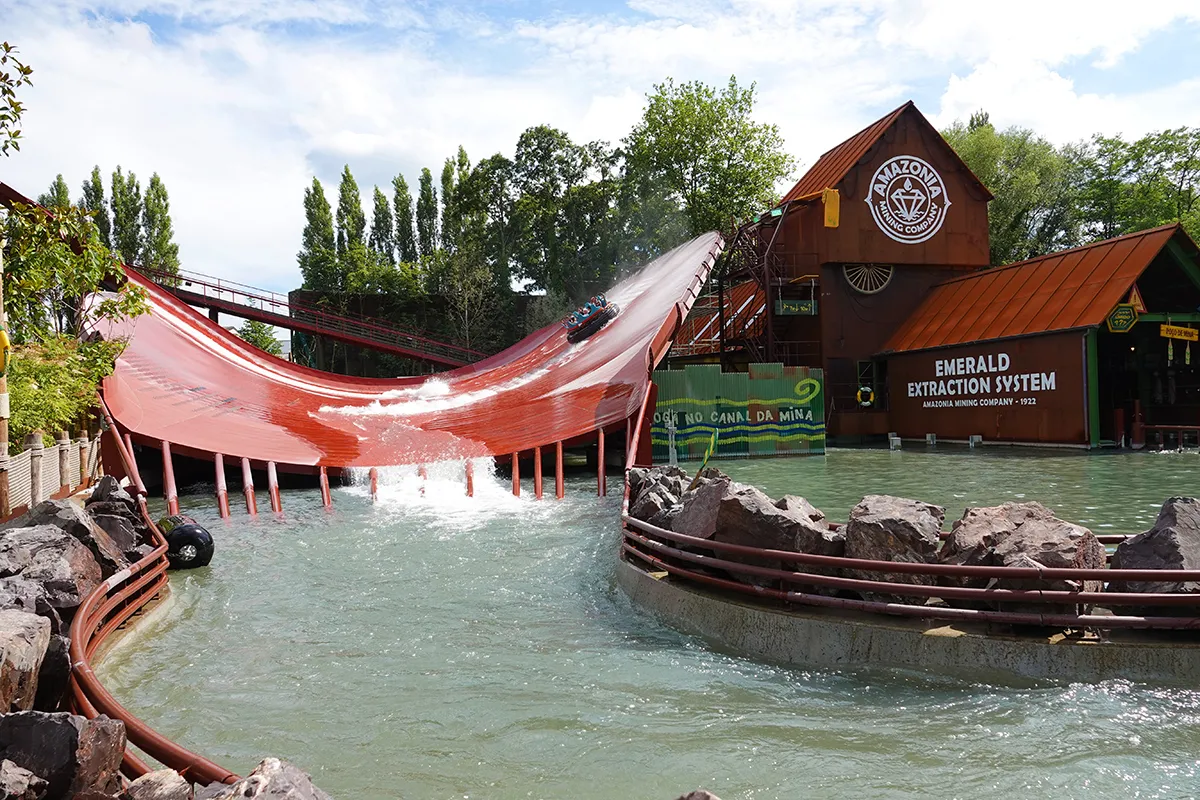
Bellewaerde Park in Ypres, which comprises a theme park and an accredited zoo, has a history spanning more than 70 years. Last year, the park welcomed around 800,000 visitors. Technical problems with the new Amazonia rapids ride cast a shadow over the 2024 season. But the ride is now fully operational, and park director Stefaan Lemey is looking ahead to summer 2025 with confidence.
Bellewaerde Park has been owned by Compagnie des Alpes since 2006, with Marc Coucke also a shareholder. The group is known, among other things, for its ski resorts in Val d’Isère and La Plagne, but it also has a major theme park division, including the Walibi parks and Parc Astérix near Paris. “Together with our owner, we are investing heavily,” says Stefaan Lemey. “Last year, the new Mundo Amazonia zone, with three additional rides, represented an investment of €21.5 million. The Amazonia rapids ride was a world first, built by Swiss company Intamin, the Rolls-Royce of ride manufacturers. Unfortunately, it suffered from a lot of teething problems. The manufacturer worked hard over the past winter to resolve all the technical issues. The ride has now reopened and is proving very popular.”
Investment is continuing this year too. The offices at the park entrance are being upgraded sustainably, for example. “For our visitors, we have revamped the Azuria show and added extra special effects. Jungle Mission has also been renewed: a boat ride through the jungle where you encounter capybaras, flamingos and coatis, among other animals. Our digital guide Tina accompanies you on the boat ride. Our zoo, which is home to around 130 animals and is run by a highly experienced team, requires ongoing investment. This is partly because of the international breeding programmes for endangered species in which we participate. And of course, considerable resources also go towards maintaining the park’s greenery.”
Nature as an asset
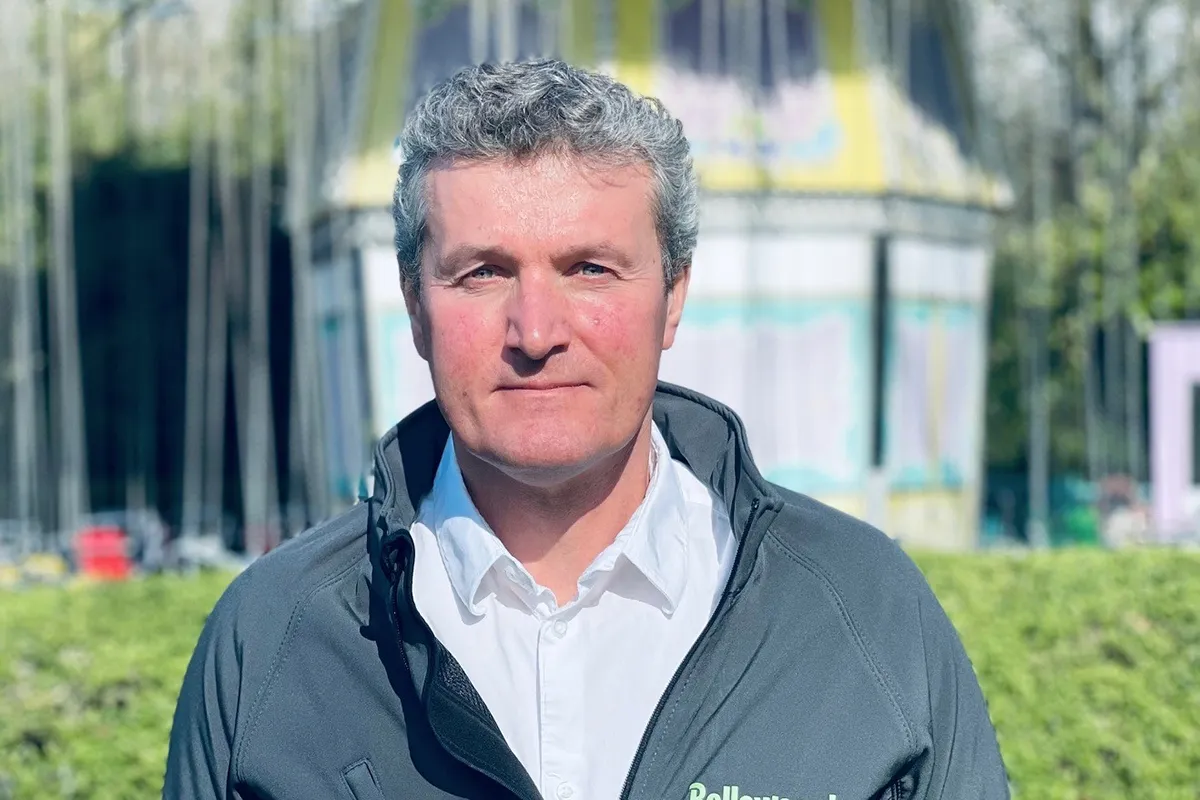
That is Bellewaerde’s key advantage: it is set in a 54-hectare park and woodland area, only half of which is open to the public. “Our visitors can enjoy fun and adventure in a natural setting, where they can still stroll peacefully without feeling caught up in the crowds,” says Lemey. “We want every visitor to leave at the end of the day not just satisfied, but very satisfied. The whole visit should be an experience, from the car park and entrance to the rides, restaurants, animal encounters, clean toilets, well-maintained natural surroundings and so on.”
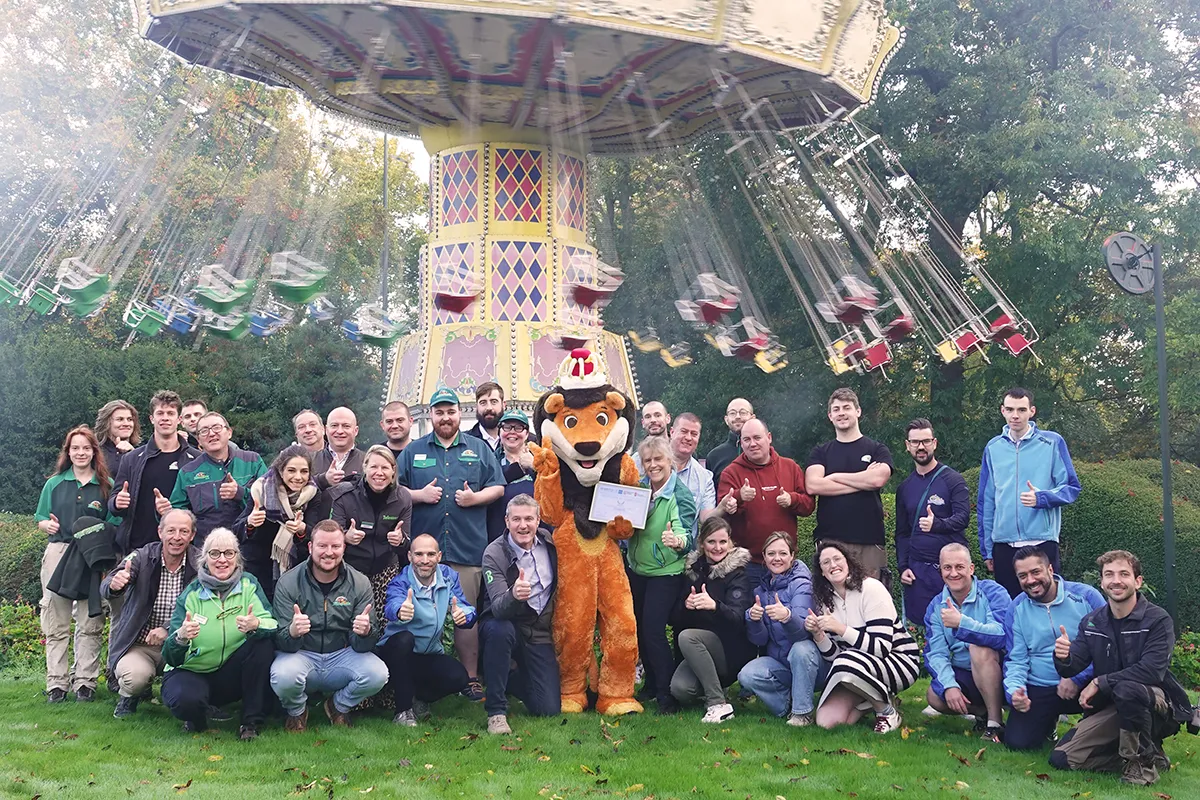
Employees are crucial to that experience, says Stefaan Lemey. He has worked at the park for 25 years, 14 of them as director. “People work hard here, and we ask a lot of them in terms of flexibility. That also means working when others are on holiday. But people who work here are driven to do a good job and are passionate about it. Every employee plays a part in shaping our visitors’ experience. Every day, we ask between 50 and 150 people how satisfied they are, which allows us to keep our finger on the pulse and quickly see where we excel and what could be improved. This quality score is also part of the bonus scheme for all employees. We also have a target for workplace accidents.”
On the way to 1 million visitors
In the coming years, the park director aims to grow theme park visitor numbers to 1 million, whether or not they also visit the Aquapark. “To achieve that target, we will continue to innovate. For now, we can still expand within the existing site, but we also have several additional hectares that could be opened up to the public. To diversify and spread risk, we are focusing on events outside the traditional season, for example during Halloween and Christmas. We also see further growth potential in corporate events for groups of 20 to 12,000 employees. We tailor each event to the client, and many B2B customers return every year or every two years.”
Sustainability is central to Bellewaerde Park’s growth strategy. “As a certified Belgian zoo, we have a responsibility to uphold our standards. Over the past 10 years, we have invested heavily in animal welfare and biodiversity. We also have our own water treatment plant, which means we do not need a sewer connection and can discharge treated water into the Bellewaerdebeek. We use a geothermal network to heat and cool the new giraffe barns and a restaurant. All our efforts have been recognised with the UN’s SDG Pioneer sustainability certificate,” says Lemey. “We had plans to install solar panels in our Mexico car park, but the permit was refused at the last minute. We are now looking at alternatives for creating a large solar park. In any case, we want to continue our efforts to reduce our CO2 footprint by 80% by 2030.”
Question about this story? Ask your question
Keep following this
Get an email when a new story is published. No account needed.
- SubjectGeneral







