




Business park capacity in South East Flanders is dwindling, but SOLVA has solutions
Text Björn CrulImage SOLVA
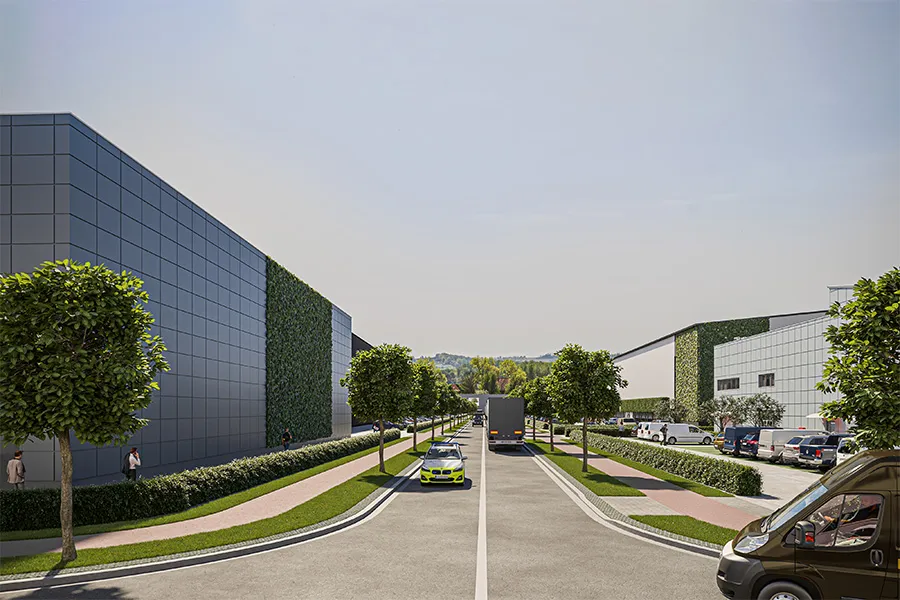
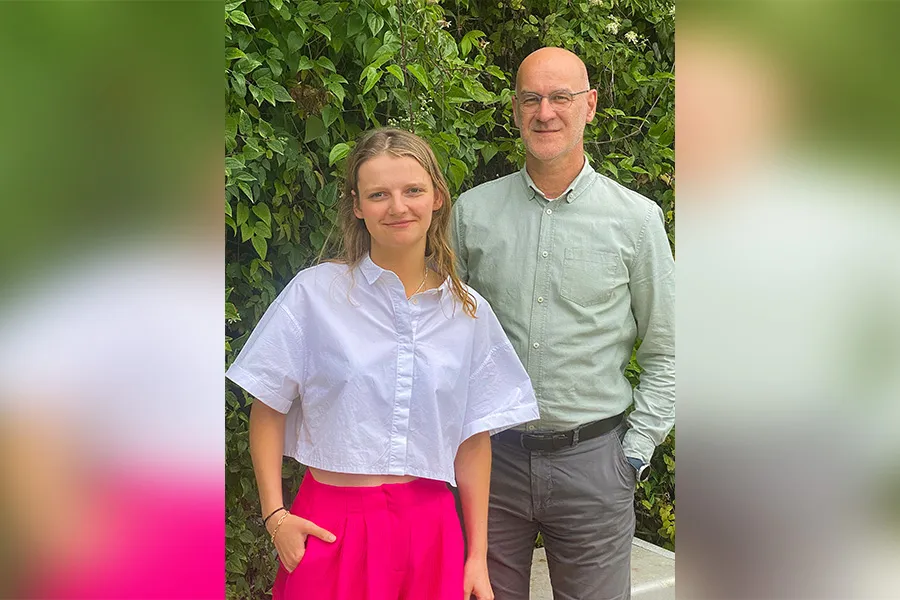
As in many other regions, demand for space to do business in South East Flanders continues to outstrip supply. The intermunicipal organisation SOLVA coordinates the development of business parks in the region and is working hard to plan for the future. “As the supply earmarked by the Flemish Government in its spatial plans gradually runs out, we are looking for alternatives that offer SMEs solutions outside traditional industrial zones,” say Bart Wallays and Marie-Julie Loy.
SOLVA was founded in 1962 with the mission of developing business parks. 21 cities and municipalities in South East Flanders are members of the organisation. “Today, with 80 employees, we provide a much broader range of services to cities and municipalities,” says managing director Bart Wallays. “These can still include spatial planning and the development of business space, but also services relating to mobility, public infrastructure, climate or energy, for example.”
Even though some economic sectors are struggling, demand for space to do business remains high. “We are at a turning point: we are now working on the last generation of business parks envisaged in the 1970s regional plans. We know that in around 10 years, all the designated industrial and craft zones in the Flemish Ardennes and the Dender region will have been developed,” says Wallays.
Projects in the pipeline
SOLVA currently has a number of projects in the pipeline for companies looking for a new location in the region in the coming years. Marie-Julie Loy: “In Ronse, the expansion of the Pont West industrial zone is under way. The second of its three phases is currently on sale. There are also a few plots available in Brakel and Ninove. We are also preparing new business parks in Geraardsbergen, Oudenaarde and Oosterzele. So there is still space available.”
But the way industrial zones are laid out has changed considerably in recent decades. Bart: “In the first-generation business parks in Erpe-Mere and Aalst, land was simply divided up, with no buffer zones and little attention paid to landscaping. Over the years, much more attention has been given to the design of these zones and how they fit into their surroundings. Companies themselves now want this: more greenery helps improve their image with customers and (potential) employees.”
Making efficient use of space
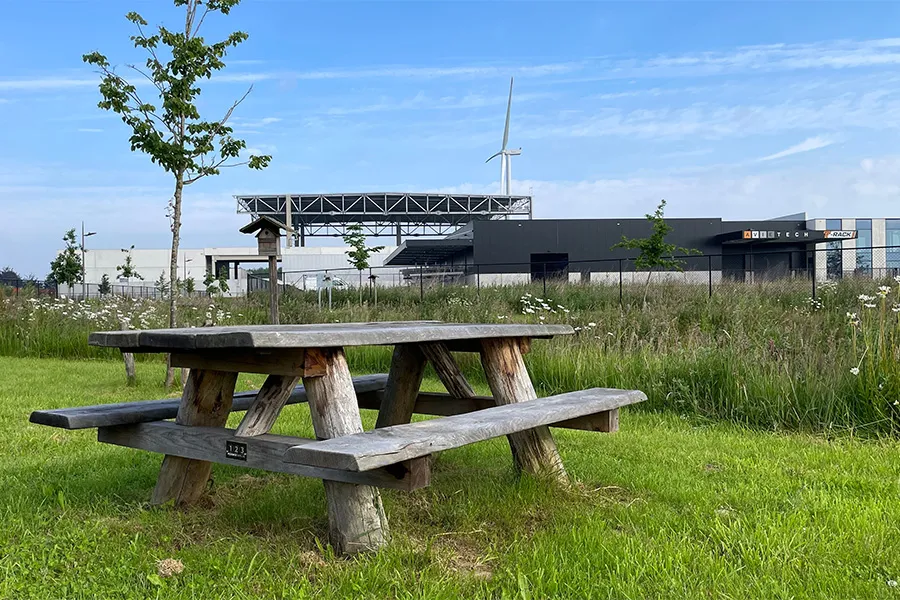
Plots in business parks are now allocated through a more stringent selection process. “We assess the activities a company intends to carry out, how sustainable it is and whether it will use space efficiently, for example by building upwards. We do not simply walk away from business parks after allocating the plots,” says Marie-Julie. “We look after the green spaces, appoint a park manager and take on a kind of property-management role. In all our zones, companies have a stake in the shared areas: buffer zones, green spaces, shared car parks … This co-ownership ensures that the surroundings are well looked after and that maintenance is also scrutinised.”
SOLVA sees a number of ways to continue providing space for businesses in the future. As a business-residential integration adviser, Marie-Julie Loy seeks out opportunities in existing centres, among other things. “Not every company needs to be located on a business park. Some activities are also compatible with residential or retail areas, such as start-ups, service companies or craftspeople with a small workshop or warehouse. We work with local authorities and neighbours to find suitable locations. This kind of intensification helps tackle vacant properties and also offers prospects for strengthening the retail and hospitality mix.”
Multi-tenant business buildings on the way
Companies with a specific requirement can submit it at any time via the SOLVA website. The team will then look for a suitable solution. “We have very little space left for very large companies looking to build new factories. The Flemish Government will have to come up with solutions for them,” says Bart Wallays. “We also actively manage our business parks. For example, everything at Ninove-Noord had been sold, but recently we bought back several plots because the companies no longer needed a new site as a result of changing economic circumstances.”
“And in the coming years, we also want to invest in multi-tenant business buildings,” adds Marie-Julie. “We are receiving more and more enquiries from smaller companies looking for a limited amount of space that we cannot locate in a town centre, because, for example, they cause noise or odour nuisance. We therefore want to develop a building in each of four municipalities, with SME units and offices and meeting facilities above them. The first project has started in Zottegem, where the first businesses should be able to move in by 2026.”
Question about this story? Ask your question
Keep following this
Get an email when a new story is published. No account needed.
- ThemeBuilding and using business premises
- SubjectGeneral







