




Brussels entrepreneurs hopeful about the Dilliès government
Text Björn CrulImage Beci, Voka
“The first impression is positive, but the bar is high”
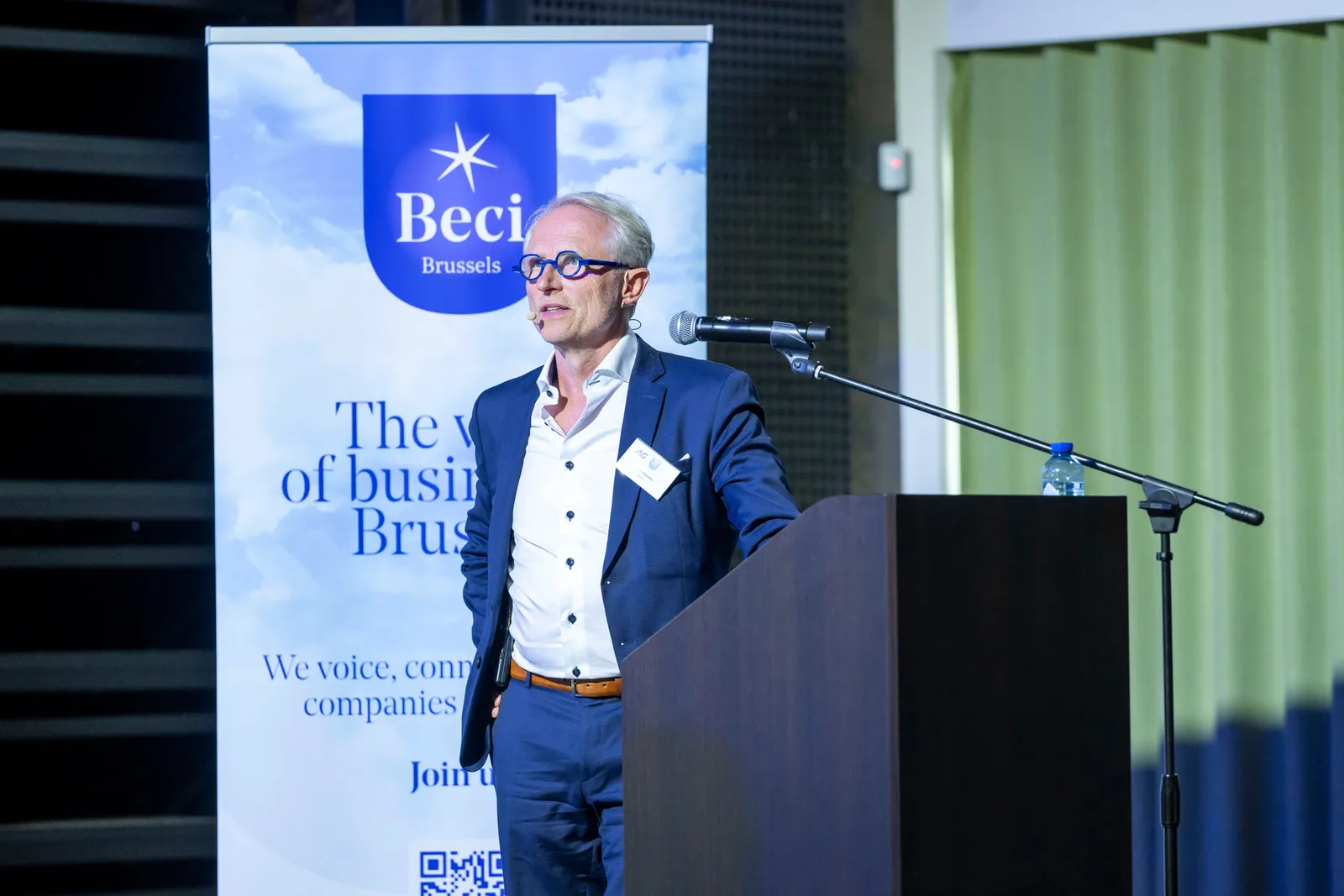
The diverse government led by Boris Dilliès (MR) has just under three years to give the Brussels-Capital Region a new boost. Now that it has got off the ground, Brussels entrepreneurs are already seeing a number of worthwhile ambitions and positive signs. “The priority now is to pick up the pace and give entrepreneurs in Brussels every opportunity to play their part,” say Thierry Geerts (CEO of Beci) and Kristien Vermoesen (chair of Voka Brussels Metropolitan) in unison.
What are the three most important priorities this government needs to address?
Thierry Geerts: First, safety and cleanliness. If a city is not safe and clean, you cannot do business there. Customers and employees do not like coming to places like that. At the same time, we should not overstate the problems. A lot of positive things are happening in Brussels that do not get covered in the Flemish media. The focus is too often on the negative.
Mobility is the second priority. For 10 years, there has been an anti-car policy without enough alternatives. As entrepreneurs, we support greater multimodality, but plumbers and delivery vans still need to be able to reach their destinations.
Third, the business climate needs to improve. There are too many taxes, too much administration and enormous complexity arising from local, regional and federal legislation … The new government is sending an encouraging signal, and with Laurent Hublet as Minister for the Economy, we have an entrepreneur at the table. That should make a big difference.
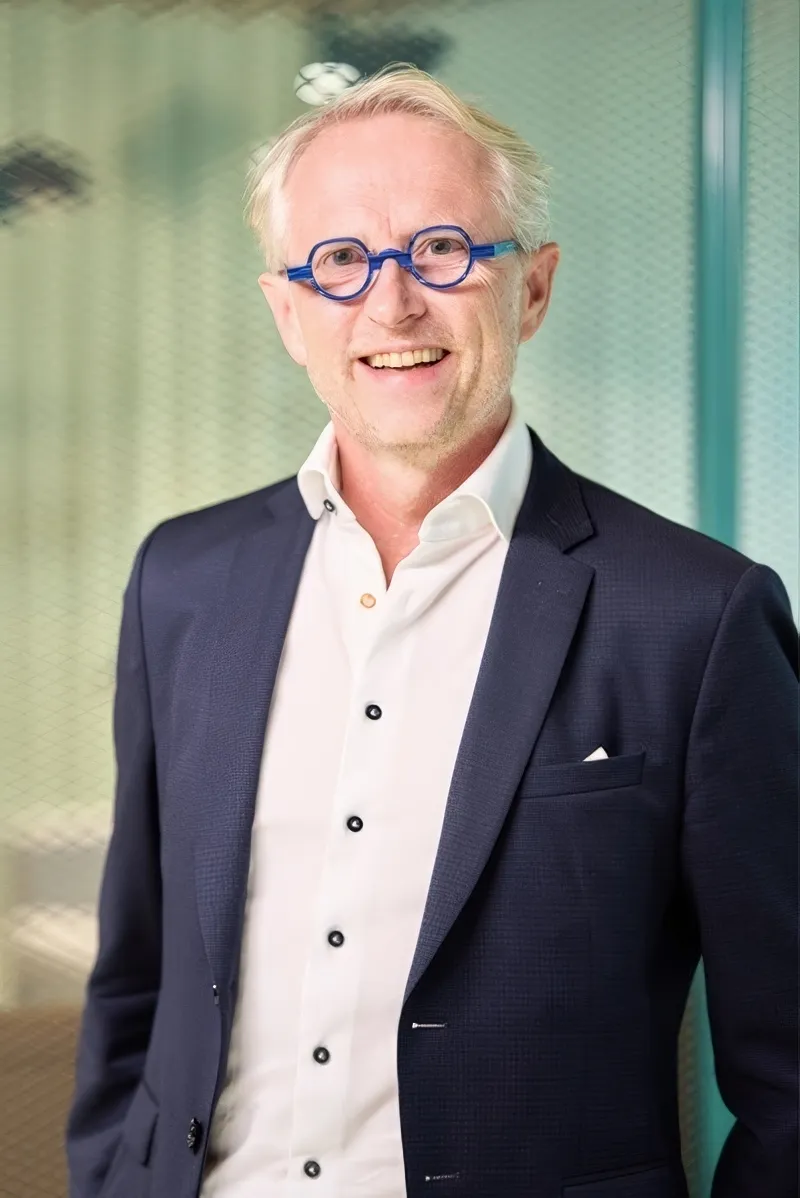
Kristien Vermoesen: We are very pleased that the government has made it its ambition to get the budget in order. The challenge is obviously a major one, but we want to encourage this team to live within its means. They have let the problem drag on for far too long.
My second priority is the effort to make Brussels attractive and safe. Boris Dilliès choosing Brussels-South for his first working visit as the new Minister-President was a powerful symbolic gesture. The message now is to roll up our sleeves and get to work.
And last but not least, entrepreneurs need to be able to get on with business. The coalition agreement provides for a Fast track desk to speed up permits for businesses involved in the redevelopment of the former Audi factory in Forest and the port. Why can’t we have something like this across the whole region? It could make a big difference in attracting more businesses!
With barely three years left to implement policies, will the government be able to deliver on its ambitions?
Thierry Geerts: The government says it has drawn up a responsible and ambitious plan. Everyone realises this is not an easy coalition to manage in the complex Brussels context. But now it needs to get fully to work. We welcome the coalition’s ‘moonshot’ ambition for the budget. If it aims that high, we might get somewhere close. Optimism is a moral duty, so Beci will support the plans and continue to keep a close eye on the issues that matter to our businesses.
Kristien Vermoesen: After the marathon negotiations, it is time for a sprint. For me, the watchword is cooperation, within the team itself, but also with other levels of government. For example, with the federal government on investments from the Beliris fund, or with the other regions on the road tax sticker. Above all, our advice is: stick to your knitting. Taking a stake in the Neo project at Heysel is not a core government responsibility. The private sector should handle that development, while government focuses on what really matters.
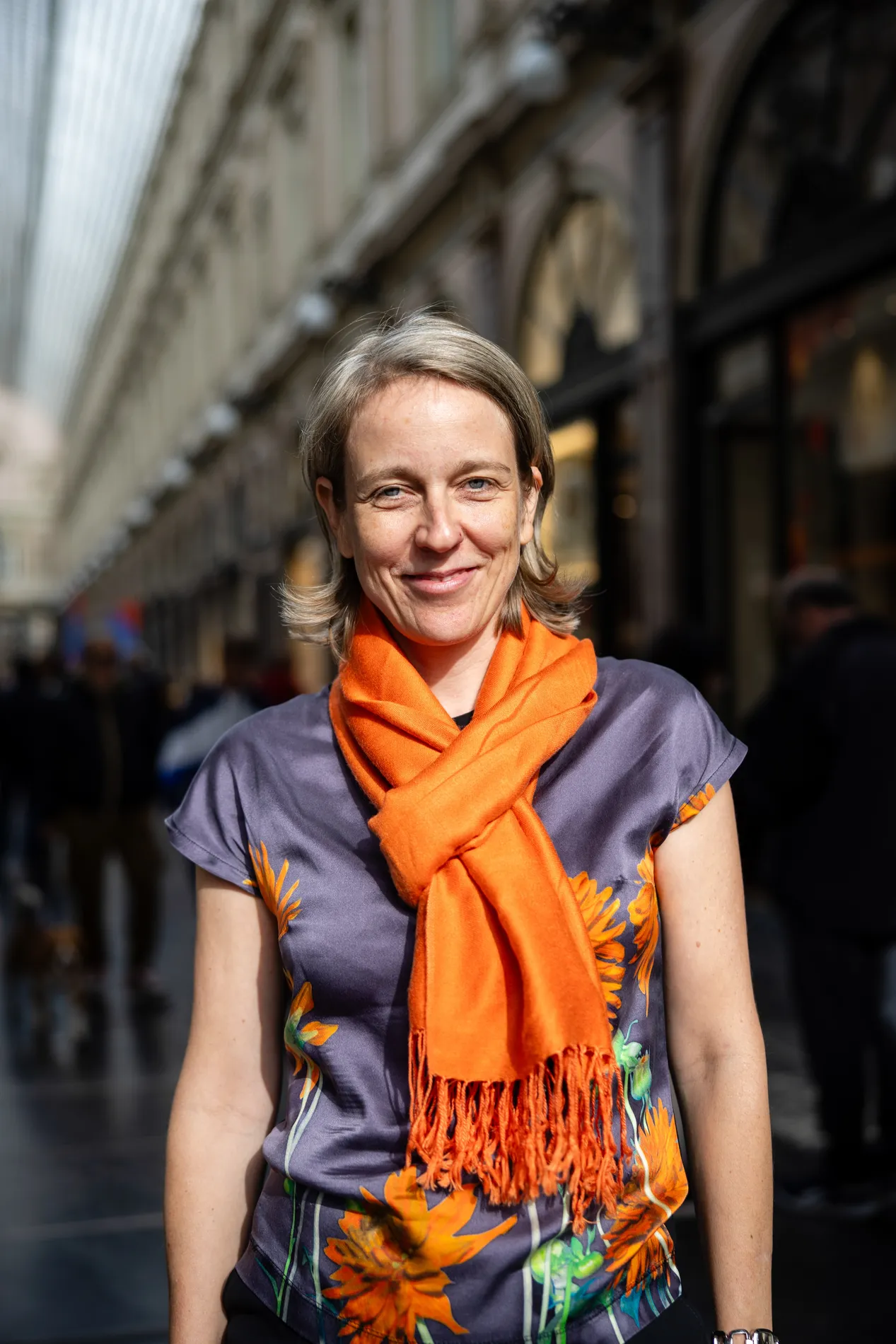
There are major economic challenges: redeveloping the Audi site, falling traffic figures at the port, repairing crumbling quays beside businesses … Will the Brussels economy be all right?
Thierry Geerts: The redevelopment of Audi in Forest is finally on track. It is good that a private developer can get to work there within the framework set out by the government. Naturally, a project like this takes time. Look at the conversion of Ford Genk, which ultimately proved a success too. The port is also a major asset for the capital, particularly given the potential of multimodal logistics, but it has been neglected for too long. We may not be able to turn things around in three years, but at least the port and the businesses in the canal zone are back on the map.
Kristien Vermoesen: Audi’s redevelopment is the model we should follow: the government creates the right conditions, then lets the private sector do its job. Voka Brussels Metropolitan also wants to encourage the new government to develop a long-term economic vision for the capital. The ambition is to make Brussels a centre for AI and GovTech. That sounds good, but it is still too vague. How will we stand out from places like Frankfurt or Paris? And how will we attract and develop business? We really need a clearly articulated vision and a concrete plan to make that ambition a reality.
Question about this story? Ask your question
Keep following this
Get an email when a new story is published. No account needed.
- SubjectGeneral







