




An ever-wider range of courses must persuade Flemish people
Lifelong learning can help address the war for talent
The war for talent is raging. Companies are finding it increasingly difficult to fill vacancies and are searching high and low for new talent. There is no silver-bullet solution to the labour shortage. But experts agree that lifelong learning is part of the answer. It is no coincidence that the range of new courses on offer is growing all the time.
In 2021, only one in five Flemish people of working age (25-64) took a course, according to figures from the statistical office Statbel. That is still a long way off the European target for 2025, which is for 47% of adults to take a course each year. So we all need to keep learning. Not because the target says so, but because it is absolutely necessary.
Many disciplines are changing, and new technologies require new expertise. For example, the Regional Technological Centre West Flanders joined forces with nine other organisations and companies to offer further training to vocational teachers in plumbing and heating. “With the shift from fossil fuels to renewable energy, installers need increasingly broad knowledge of plumbing and central heating systems. This calls for changes to the training,” says Sammy Decoene of RTC West Flanders.
“The collaboration enabled vocational teachers from 15 schools to broaden their knowledge of plumbing and heating, so they can better prepare their pupils for the labour market. An educational package was developed, and the partners are also providing facilities and equipment.” A fine example of lifelong learning, with businesses also investing in training.
Six new postgraduate programmes and advanced master’s degrees
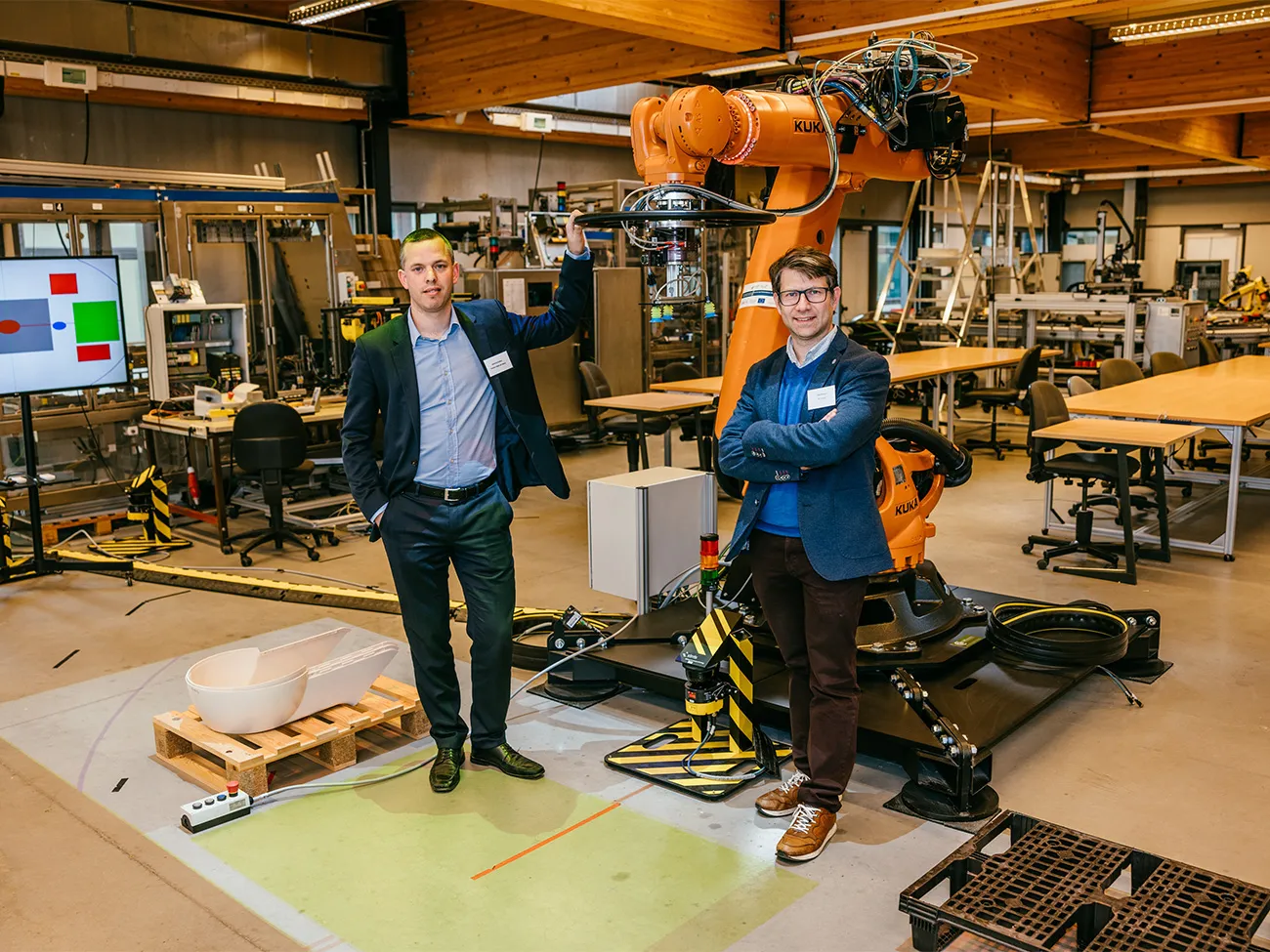
Universities have also recognised the need for additional training. KU Leuven and UGent joined forces to expand the range of courses in West Flanders with three new postgraduate programmes and three additional advanced master’s degrees. This year, for example, a postgraduate programme in AI for engineers and computer scientists started in Kortrijk. From next academic year, it will also be offered as an advanced master’s degree.
“We now have 24 participants from a wide range of sectors and companies, from machine builders and technology companies to consultants,” says Professor Mathias Verbeke of KU Leuven. “We teach the academic foundations of AI and machine learning, but there is a strong focus on practical business cases. Renson, for example, will run a session on how it uses data science and AI in its smart HVAC systems, and we will also look at a case from Melexis, which uses AI to improve the quality of its chips.”
This is one of the areas gaining momentum as part of the transition to Industry 4.0. As a result, manufacturing companies need additional expertise in smarter production and smarter products. KU Leuven and UGent have jointly developed a new postgraduate programme and advanced master’s degree in ‘Smart operations and maintenance in industry’.
Professor Davy Pissoort: “When smart technology is introduced, companies need people with specific skills to drive that transformation. Change management often receives a great deal of attention, but much less is given to the technological and practical aspects. Our postgraduate programme, for example, is aimed at people with a background in electronics, mechanical engineering or computer science, but those who have gained expertise through experience can also apply.”
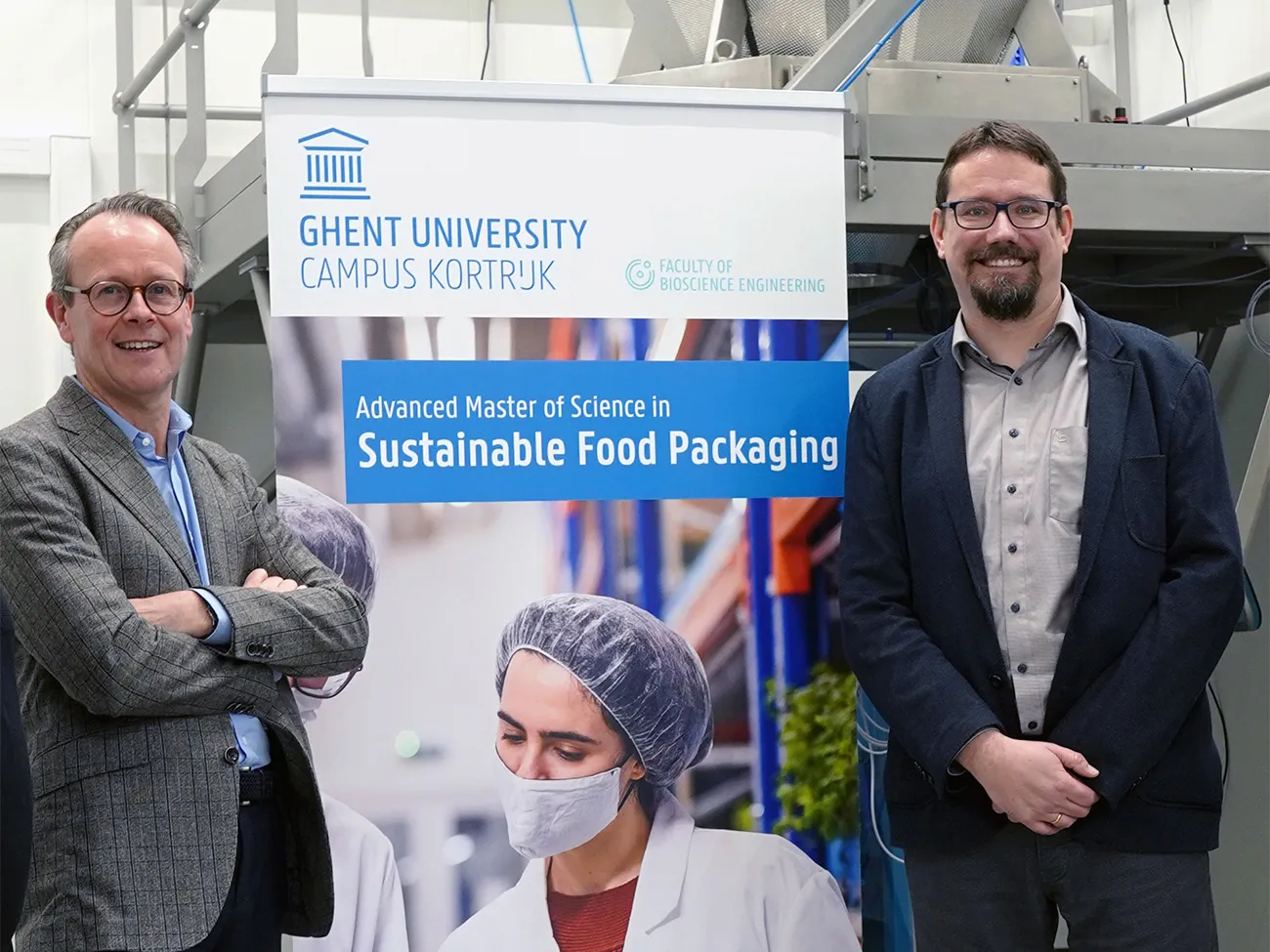
In the food industry, sustainable packaging is a major focus. UGent is responding with its new ‘Sustainable Food Packaging’ programme. Professor Frank Devlieghere: “The shift towards sustainable packaging calls for careful consideration: how can we make packaging more sustainable? How does packaging affect food quality? And how can we ensure that sustainable packaging preserves food better and for longer?”
This programme is unique in Europe, and enthusiasm in the sector is strong. The practical element is important here too: “Two of the professors have extensive industry experience. Students will write their thesis on a case study at a company or public-sector organisation working in packaging. This means they will help find solutions to specific packaging challenges facing the sector today,” concludes Frank Devlieghere.
Question about this story? Ask your question
Keep following this
Get an email when a new story is published. No account needed.
- SubjectGeneral







