




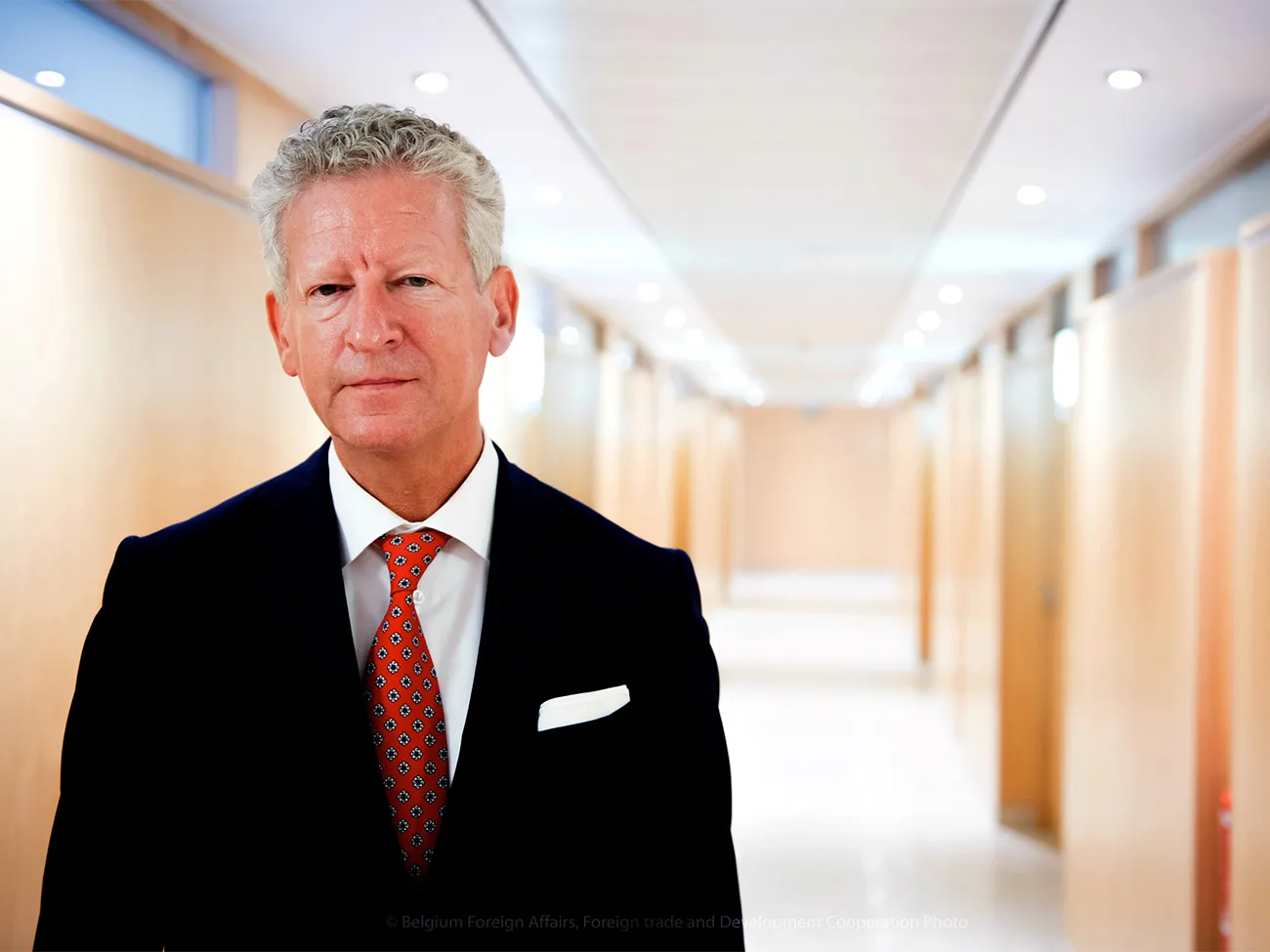
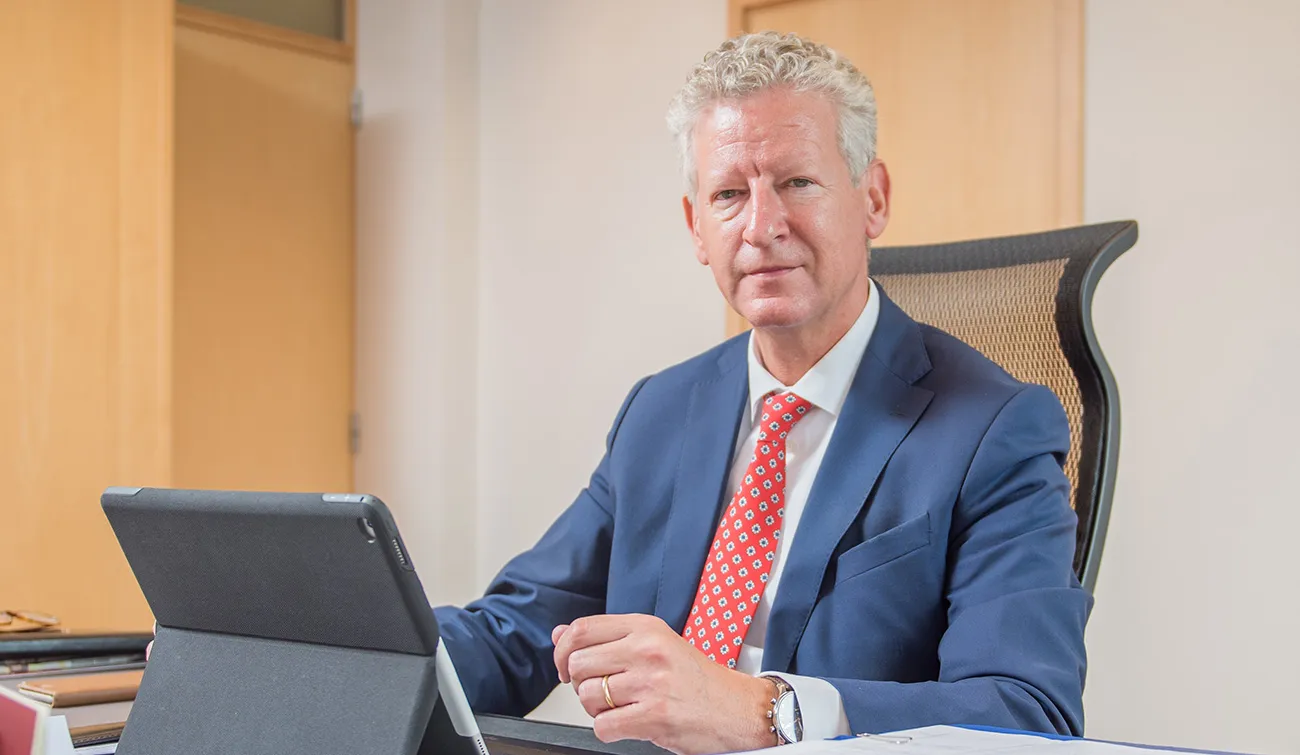
Aalter Mayor Pieter De Crem speaks
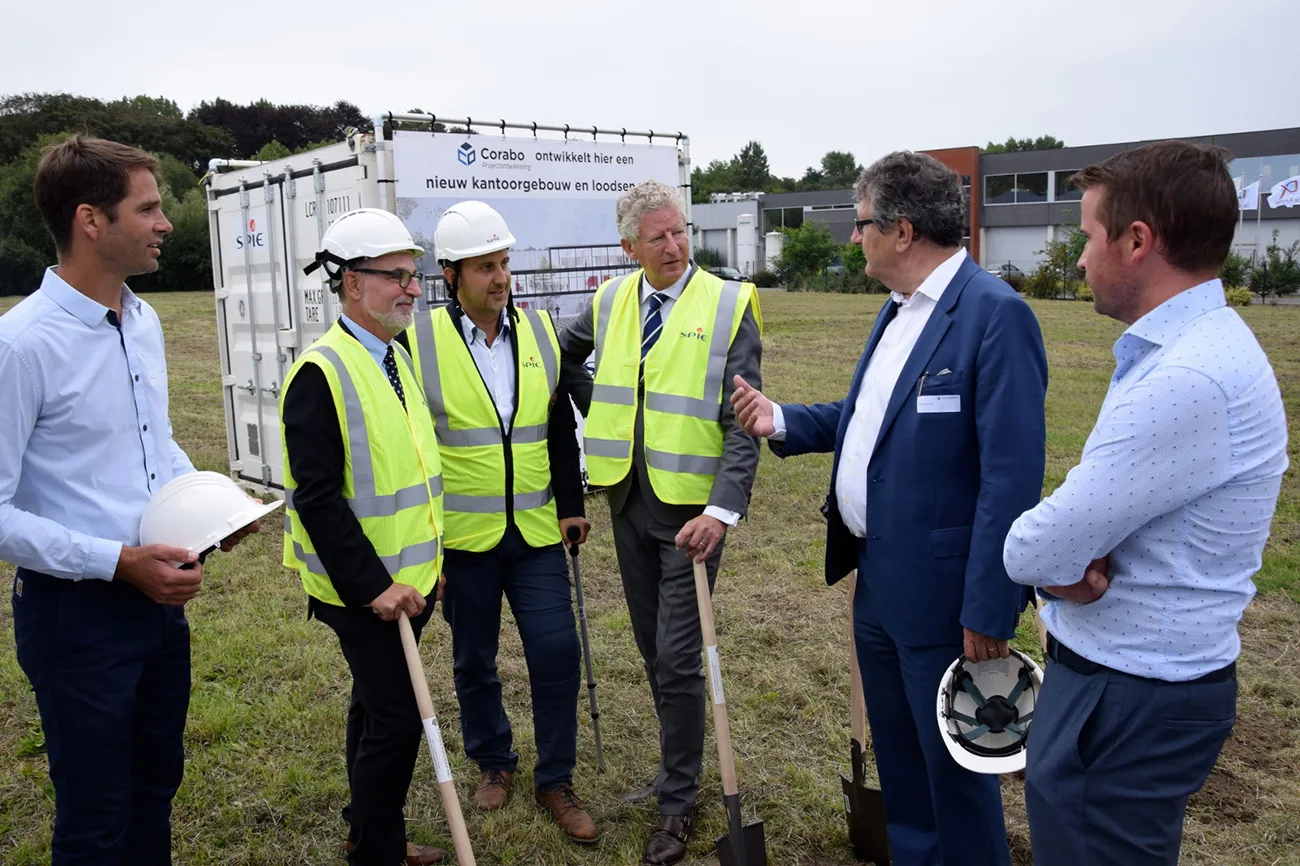
“We are creating scope for businesses in every sense”
Aalter is an important hub between Bruges and Ghent, with good road, rail and water links. Its strategic location has helped foster a strong industrial base, led today by the agri-food and manufacturing sectors. Mayor Pieter De Crem (CD&V) wants to develop the local economy further, including through new water-linked industrial sites.
Mayor, what do you see as the foundations of Aalter’s economic development?
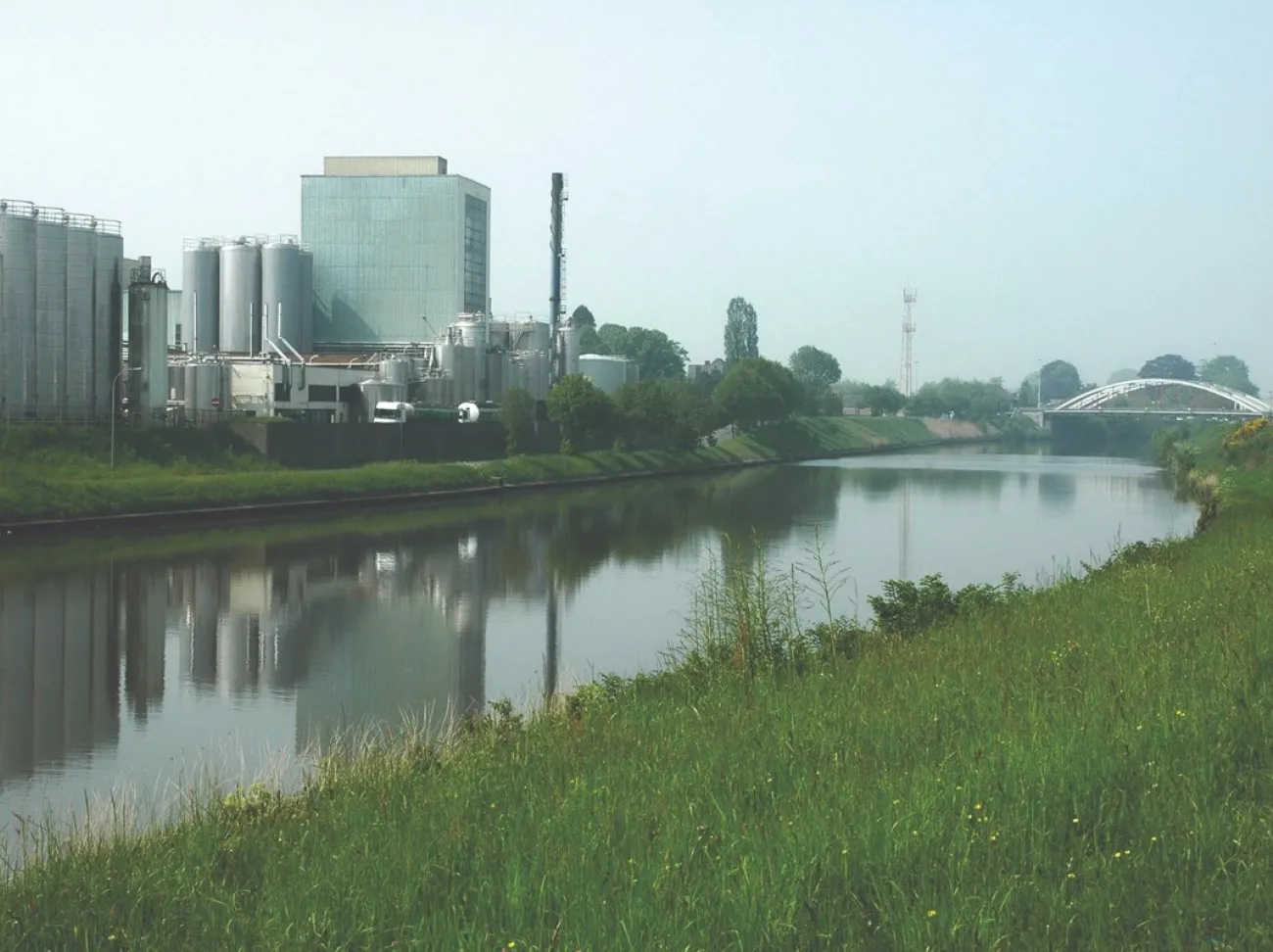
Pieter De Crem: Since the Middle Ages, Aalter has been the beating heart between Ghent and Bruges. Originally, it was a rural municipality with some textile production and small-scale craft activities. Its location on the Ghent-Bruges Canal and the railway line from Brussels to Ostend, together with the construction of the motorway in the 1950s, turned it into a transport hub. But having such a good location does not mean that development happens automatically.
In the 1960s, the municipal council chose to embrace industry. It set aside around 100 hectares of poorly located farmland as an industrial zone. This helped attract companies such as steel wire producer Bekaert. The manufacturing industry also established itself here, linked to the development of the Sidmar steelworks in Ghent.
An agri-food cluster also emerged, with dairy cooperative Comelco as its flagship. The cooperative is now 60 years old and is part of the FrieslandCampina group.
Which sectors are strong in the municipality today?
Pieter De Crem: Manufacturing remains a key strength. Bekaert has, admittedly, been through a crisis and carried out a major restructuring in 2012. Some of its sites were also sold at the time. But things have since improved: the company has focused on cable products for lifts and specialist drive belts, and is once again recruiting on a large scale.
A range of SMEs have set up on the land that became available. In 2022, we have a very diverse SME landscape in the Lakeveld and Langevoorde zones. Alongside FrieslandCampina, some excellent companies have grown in the agri-food sector. The best-known is probably Meat&More, which prepares food products and sells them through its Buurtslagers and Bon’Ap retail chains. Finally, Aalter also has a sizeable construction industry, with more than 125 companies based in the municipality.
How do you plan to tap into this potential in future? Which sectors does Aalter want to promote?
Pieter De Crem: Developing water-linked industry is a priority for the Flemish government. Our location means we can clearly capitalise on that. To the north of the Ghent-Bruges Canal, we are working with De Vlaamse Waterweg to develop new quays and so-called second-line water-linked sites in the Woestyne zone. A new bridge and cycle bridge, together with the Lakeland business park, will also connect traffic to the N44 and E40. The aim is to award the first concessions for this zone this year. It will initially cover 60 hectares.
We also have strong faith in high-tech companies, several of which have already established themselves in Aalter. To support this sector further, we want to set up an incubator where both smaller businesses and start-ups can be based. This will allow us to respond to emerging trends by providing space and facilities, and by encouraging collaboration between tech start-ups. We also have the former military site, where we want to develop drone activities. The incubator can play a prominent role in this too.
What else does the municipality offer entrepreneurs starting out and start-ups?
Pieter De Crem: First of all, we have a favourable tax climate. All business taxes were abolished here a long time ago: taxes on equipment, power taxes and taxes on employees. It is an anomaly, after all, for governments to tax employment! This does mean considerably less revenue for the municipality, but we see it as an important lever for giving entrepreneurship every opportunity.
Our area also has a large pool of highly educated people. Many people who come to live in Aalter have their first or last place of work here. We want to encourage people in their thirties to stay in the municipality and make them aware of the many job opportunities nearby. The Aalterjobs fair was held recently, showcasing no fewer than 300 vacancies. It was a great success, and we want to promote it further, reaching as far as Bruges and Ghent.
Aalter is indeed known as a business-friendly municipality thanks to its tax policy. What other measures are you taking to support economic activity?
Pieter De Crem: Our job is to create scope for businesses in every sense of the word. Of course, we have to provide physical space. Industrial land is scarce in Flanders, and Aalter is no exception. Few businesses leave, so we seize every opportunity to offer additional sites. We also need to create psychological space by ensuring that local representatives listen to businesses’ concerns. We are here for entrepreneurs whenever they need us.
Our services also need to create scope for businesses. We have an enterprise desk that is the first and only one in Flanders to be ISO 9002-certified. I am proud that we handle permit applications particularly efficiently. The zoning designations are clearly defined, which means there is little room for dispute. Environmental permit applications are also processed quickly, thanks in part to our extensive use of digital systems.
What are your economic priorities for the next two years?
Pieter De Crem: Our top priority is to establish the incubator and drone activities, and to work with universities and universities of applied sciences to help recent graduates move into employment, industrial activity or entrepreneurship. The incubator will support new technologies and small businesses, without becoming an investment company. We provide the framework, and entrepreneurs do the rest.
I would also like to expand our water-linked infrastructure further. I think we could develop another 20 to 30 hectares. It is good for Aalter that the Schipdonk Canal will not be widened: it means more inland shipping for us. We will make full use of our improved accessibility.
Question about this story? Ask your question
Keep following this
Get an email when a new story is published. No account needed.
- SubjectGeneral







