




A dual interview with Jacques Vandermeiren (Port of Antwerp-Bruges) and Daan Schalck (North Sea Port)
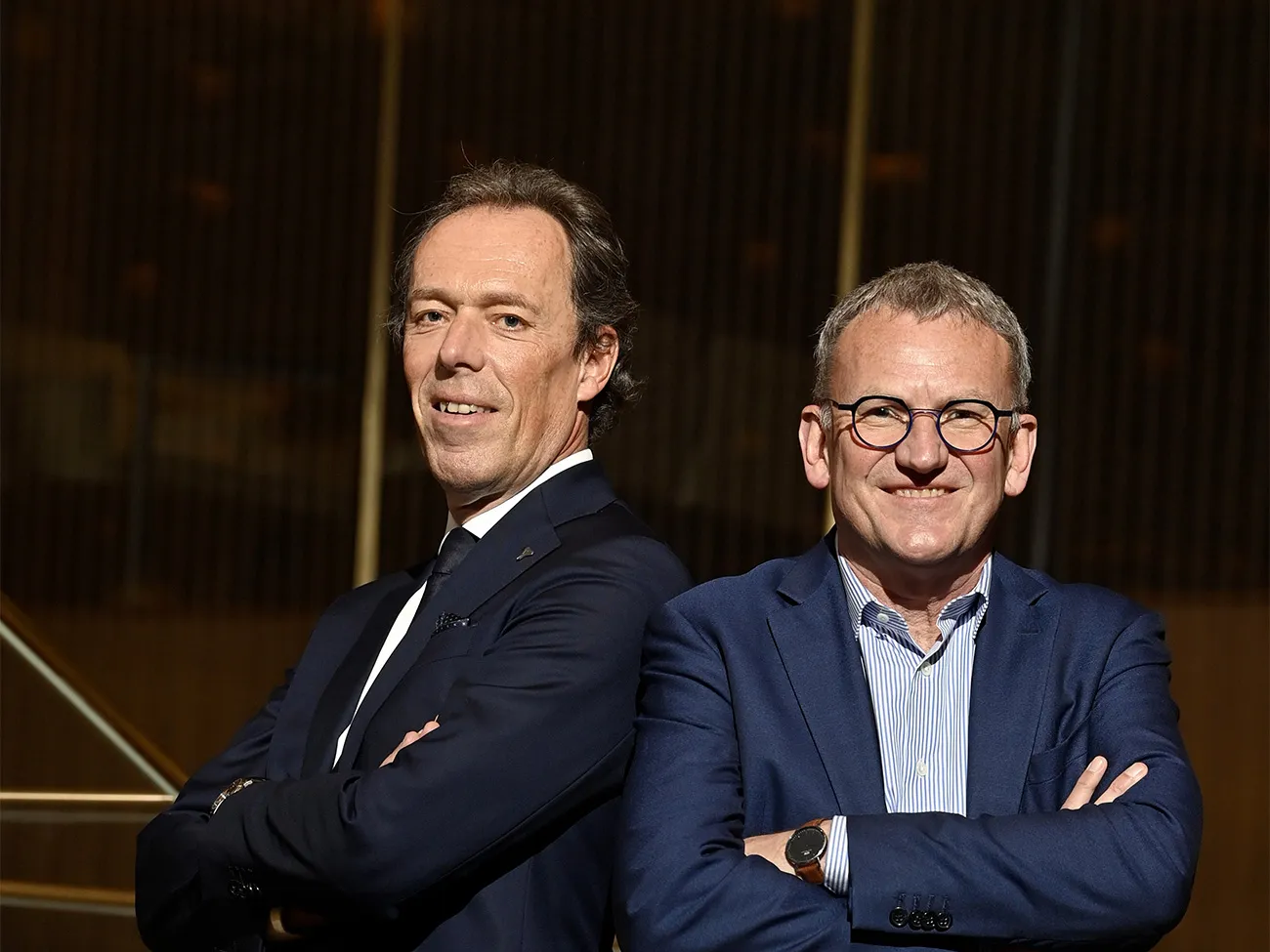
“It is no longer about growing tonnage, but about anchoring industry”
2022 was an unusual year economically. Initial optimism as the Covid pandemic drew to a close was dashed by the war in Ukraine. The major port companies in Belgium felt the effects first-hand. Exports of goods to Russia, an important destination, have virtually ground to a halt. This created challenging conditions for port CEOs Daan Schalck and Jacques Vandermeiren. Despite everything, both are confident about the future.
How do you look back on the past year? What do the (provisional) traffic figures show?
Daan Schalck: North Sea Port is set to have a good year overall. Despite the boycott of Russia being in full swing, we expect to achieve growth of just over 5 per cent. That would put us ahead of our previous record year, 2019. But what I find particularly encouraging is that we have been able to attract some excellent investment, both from existing port companies and through the allocation of new sites.
These investments also align with the strategic sectors identified in our strategy: automotive, hydrogen and value-added logistics. For future growth, we are focusing less on the container business and more on industrial activities related to sustainability and circularity. A good example is the battery assembly plant at Volvo Trucks, or the conversion of the former Ghent Coal Terminal into an energy hub by BEE.
Jacques Vandermeiren: It will not be a record year for Port of Antwerp-Bruges. Russia accounted for 16 million tonnes, and we have only been able to offset some of that loss. In addition, the container segment continues to face congestion, with waiting times rising and the entire supply chain being disrupted. The problem is unlikely to be resolved until the Covid-related difficulties in China are behind us.
Fortunately, we are a large port with several segments, which spreads the risk. In the first year since the merger of Antwerp and Zeebrugge, we will ultimately achieve a status quo. But that is not our top priority either. We are working hard to integrate the two platforms and optimise our activities, preparing this merged port for the future.
The merger of Antwerp and Zeebrugge, long thought impossible, finally became a reality on 22 April. How has the maritime and logistics world reacted?
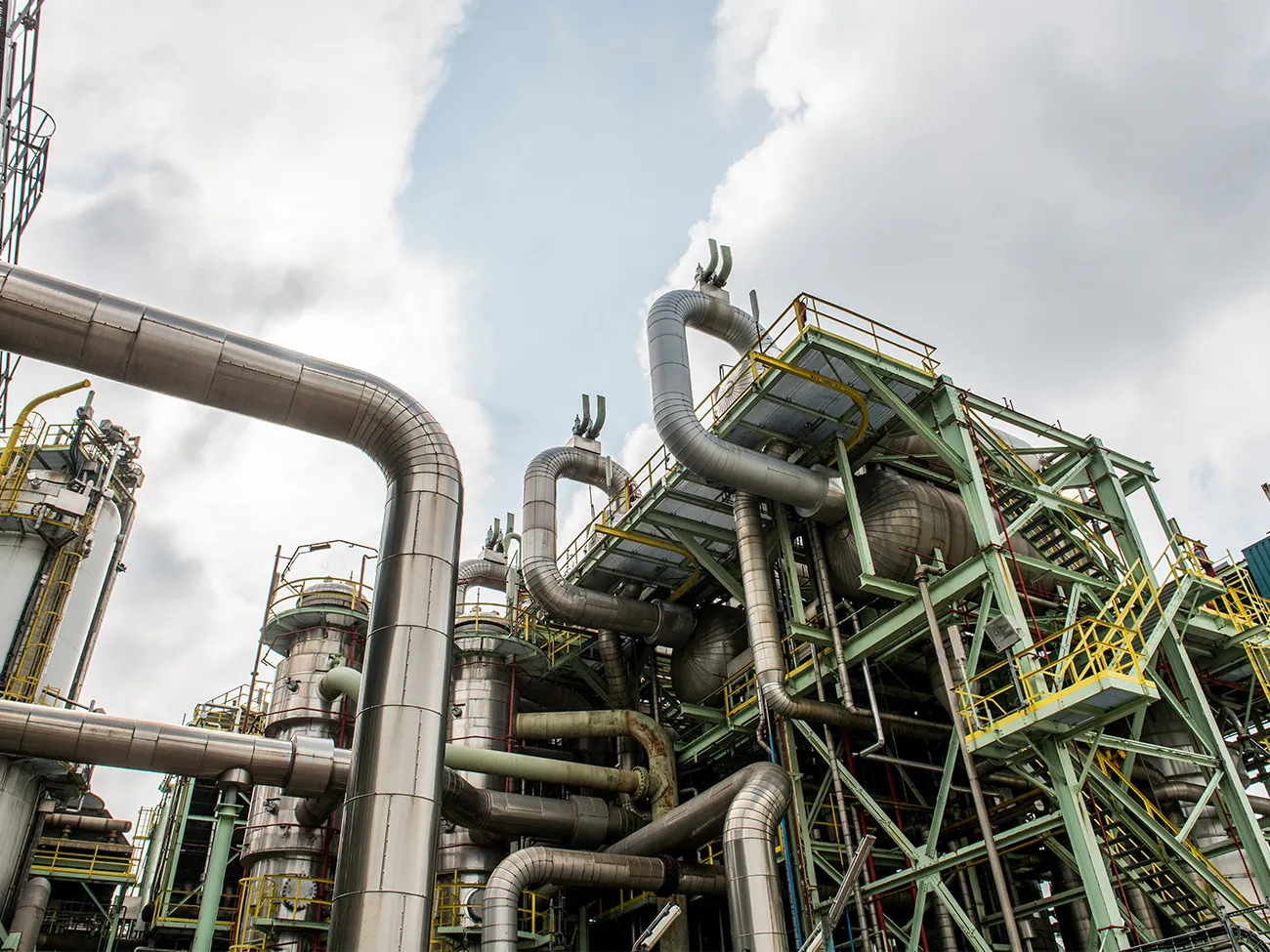
Jacques Vandermeiren: For the business community, it was almost a foregone conclusion. It had simply been far too sensitive at local level for a long time. But now everyone is saying the same thing: “Finally!” Daan was a pioneer in this respect, with the integration of Ghent, Terneuzen and Vlissingen. For us, the energy transition was certainly a major driver behind the merger: substantial investment is needed, and it makes more sense to pool our resources so that new infrastructure can be developed efficiently.
We also have to acknowledge that some companies were not interested in doing business in Zeebrugge, which they saw as a blind spot. Within Port of Antwerp-Bruges, we can now grow port activities at both locations, without being constrained by competitive considerations.
North Sea Port celebrates its fifth anniversary in 2023. What has the merger meant for the ports involved?
Daan Schalck: In 2016, we commissioned a study from McKinsey to assess whether merging Ghent, Terneuzen and Vlissingen made economic sense. The report was positive and forecast 15% growth in tonnage, employment and land allocation. The authorities involved then gave the go-ahead. And today, almost five years later, we can see that we have exceeded those expectations across the board.
There is more to it, too: cross-border port cooperation also makes other things possible. Infrabel and Prorail are jointly investing 200 million in their rail infrastructure. Fluxys and its Dutch counterpart are building a hydrogen backbone together. I am certain this would not have happened without the port merger. I am also pleased to see municipalities in the North Sea Port area starting to work together on nature development and cultural projects.
You went on a trade mission to Japan together in early December. Is there still some competition between the two port companies?
Jacques Vandermeiren: That is not really something we concern ourselves with. We have come through a long period of Covid, during which we were unable to meet our customers in person. We wanted to reconnect with them, hear about their plans and see how these fit with our ambitions. For me, the main aim of the mission was to explain to Japan what Belgium and Flanders stand for, outline our industrial policy and set out our investments in the energy transition. So we did some things together, including with organisations such as VBO and essenscia, for example, but we also pursued individual activities. For Port of Antwerp-Bruges, this was also the first opportunity to explain our merger to important customers such as NYK Group.
Daan Schalck: Indeed. Alongside a number of individual visits to customers and prospective customers, we wanted the entire delegation to show that Belgium offers a good investment climate and that we and other Belgian companies have a lot to offer. A royal mission like this remains very useful, particularly in Japan and other far-off countries. I do not see Jacques as a competitor. Times have changed. We need to make the most of our complementarity.
2022 was the year of the energy crisis. Belgium wants to accelerate the shift to more sustainable forms of energy, and both your ports are involved in new projects. Are you competitors in this area?
Jacques Vandermeiren: Here too, we are complementary. The challenge of the energy transition is so great, and the volumes of renewable energy we will need are so large, that in principle we will need every port in Europe to wean ourselves off fossil fuels. The only thing we need to avoid is investment that is not coordinated. When it comes to pipelines, we need to provide the necessary connections so that the new networks can support one another.
Daan Schalck: The real challenge is to make the energy transition a success, in the interests of European industry. We, as port companies, have a responsibility to play our part. We need to provide our major industrial players, such as Arcelor in Ghent and the chemical cluster in Antwerp, with what they need. When it comes to new molecules, we are less than ever competitors, but we will need to play a role in European networks.
Which niches do you see as having growth potential for your respective ports?
Daan Schalck: For me, there is one major niche: sustainability and circularity. We see major customers such as Dow and Arcelor investing heavily in these areas. This is also generating new activities in an ecosystem that can add value for a range of companies. There is also growth in the construction and maintenance of all kinds of offshore energy installations. DEME and Ørsted are already international leaders in this field at our port. There are also promising developments around hydrogen, CO₂ recovery and more. As a port, we can facilitate growth in these areas too. That is why our strategic plan no longer sets a tonnage target, but instead focuses on creating value.
Jacques Vandermeiren: I see the same trend in our chemical cluster. Ineos is undertaking a multibillion-euro investment, while BASF aims to be climate-neutral by 2030. All the other chemical companies have similar plans. So much will be invested that we are concerned about a shortage of space. Water and heat will be challenges. We are fully committed to making our port more sustainable and developing shared infrastructure to anchor industry here.
What challenge awaits port authorities in 2023?
Daan Schalck: In 2023, the focus will be on delivering a number of concepts that have already been developed, or at least moving them into the preparatory phase. It will be a crucial year, for example, in the development of a CO₂ terminal involving Yara, Arcelor and Dow. We have to hope the energy crisis does not cause delays.
Jacques Vandermeiren: Alongside integrating our two port platforms, we will need to find solutions to congestion above all. As global ports, we depend on what happens elsewhere in the world, but we want to help our customers as much as possible. Finally, we will also continue working on the energy transition, getting more concrete projects off the ground.
Question about this story? Ask your question
Keep following this
Get an email when a new story is published. No account needed.
- SubjectGeneral







