




4PS trend report highlights strategic priorities for construction companies
Text Björn CrulImage 4PS

Europe’s construction sector is at a turning point. Demand for housing and infrastructure is acute, technological possibilities have never been greater, yet growth is stalling. A trend report by software company 4PS, based on discussions with market researchers and consultants, outlines the developments construction companies need to factor into their strategies today.
After the initial hype, artificial intelligence has emerged as a technology that can be used productively in every sector, including construction. AI can take over administrative and repetitive tasks, helping to address the shortage of available labour.
Niels Goos, managing director of 4PS Group: “Companies looking to take steps with AI must first get their data management in order. We can see that the construction sector still has some way to go in this respect. The challenge will be to share the necessary data across the value chain, ideally via a central platform accessible to everyone involved. A cultural shift is still needed here.”
Integrating AI systematically
He also emphasises the importance of this revolution: “AI and automation not only boost efficiency, they also create new strategic opportunities. Companies must decide which partner they want to shape the future with and consider how to prepare their organisation for the systematic integration of these technologies.”
The challenge is not just choosing the right software licences, but above all providing internal support during their introduction, in other words, change management. Success will depend on how well companies manage to embed AI tools in their processes and methods: “Construction companies that integrate these applications effectively into their organisation and working practices will gain a competitive edge.”
Prefabrication and industrialisation
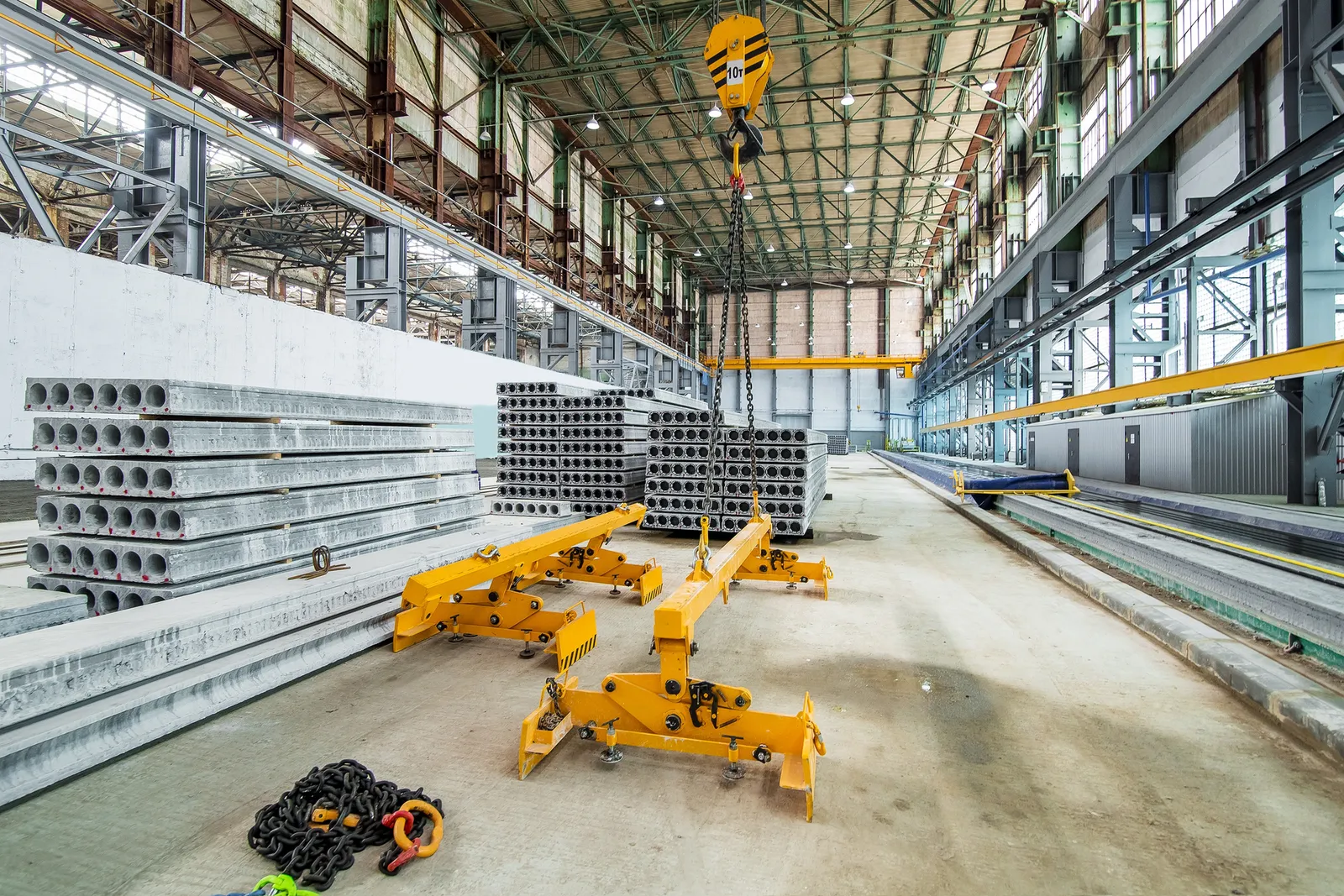
Another important way to address the labour shortage, before the construction phase, lies in prefabrication and industrialisation. These production methods make it possible to build faster and more cheaply, with consistent quality, in controlled environments.
Data will also be essential here: “Companies that invest in data, standardised processes and innovation are laying the foundations for a sector that is better able to withstand economic shocks and continue to operate more easily and sustainably,” says Niels Goos.
Growing complexity
The construction sector is also facing increasing complexity as a result of stricter regulations, pressure around permits and technological requirements. Installing new systems, for example, calls for additional expertise. “There are two ways to address this complexity,” notes the managing director of 4PS Group. “The development of plug-and-play technologies offers one solution, while digital BIM models can also help make complexity visible and therefore easier to manage.”
The combination of complex regulations, a tight labour market and inflation has already caused delays in developing new projects and applying for permits. Decisive policy is needed to put the sector back on track. “The simplest solution is to scrap unnecessary regulations and further harmonise the rules. Making finance easier to access, simplifying permits and awarding subsidies are policy options that will have a swift impact.”
A question of people and skills
Above all, however, this transformation of the construction sector is a question of people and skills. “It is therefore becoming even more important, and indeed essential, to find well-trained employees and retain them. We will always need people who can apply complex technologies and tools on site,” stresses Niels Goos. “When the construction sector embraces and implements AI and the industrial production of parts of homes, we can make great strides towards ensuring the sector continues to grow sustainably in the future.”
Question about this story? Ask your question
Keep following this
Get an email when a new story is published. No account needed.
- SubjectGeneral







