Scarce space calls for smart combinations
Text Anse KeisseImage Hexagon
Space available for business activity in Flanders has been under pressure for years. Developing new sites is becoming increasingly difficult, while demand for high-quality business space continues to grow. For property developers, this means not only building more efficiently, but above all learning to think differently about space.
At Hexagon, a property developer specialising in the redevelopment of ageing sites and buildings, this necessary shift is reflected in projects that deliberately combine multiple functions. Traditional business parks with separate plots are no longer the norm. Instead, integrated developments bring together work, mobility and environmental quality.
From single-use to multifunctional
“Scarce space forces us to design more intelligently,” says Jelle Vandendriessche, CEO of Hexagon. “The challenge is to create more value with fewer square metres, for both the user and the surrounding area. That inevitably improves the quality of a project.”
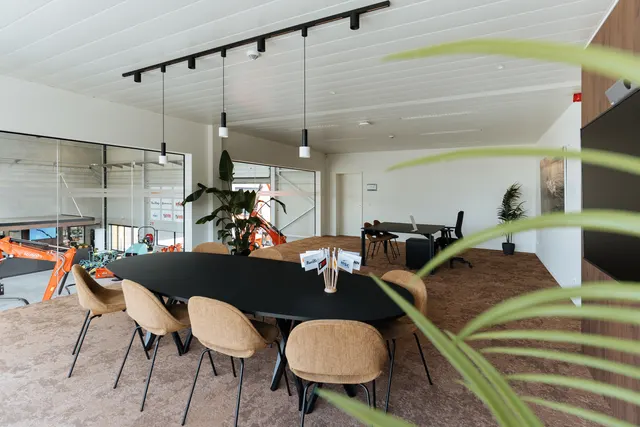
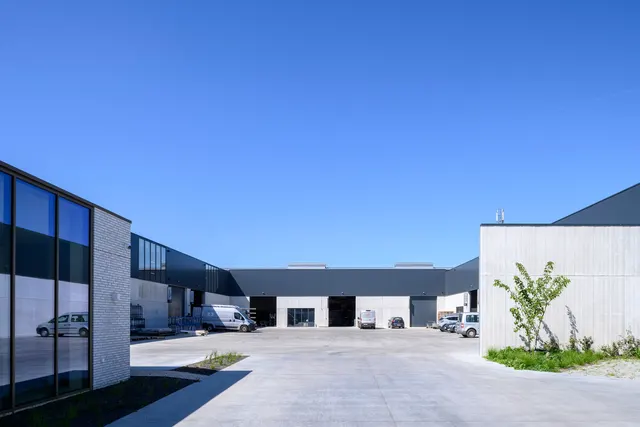
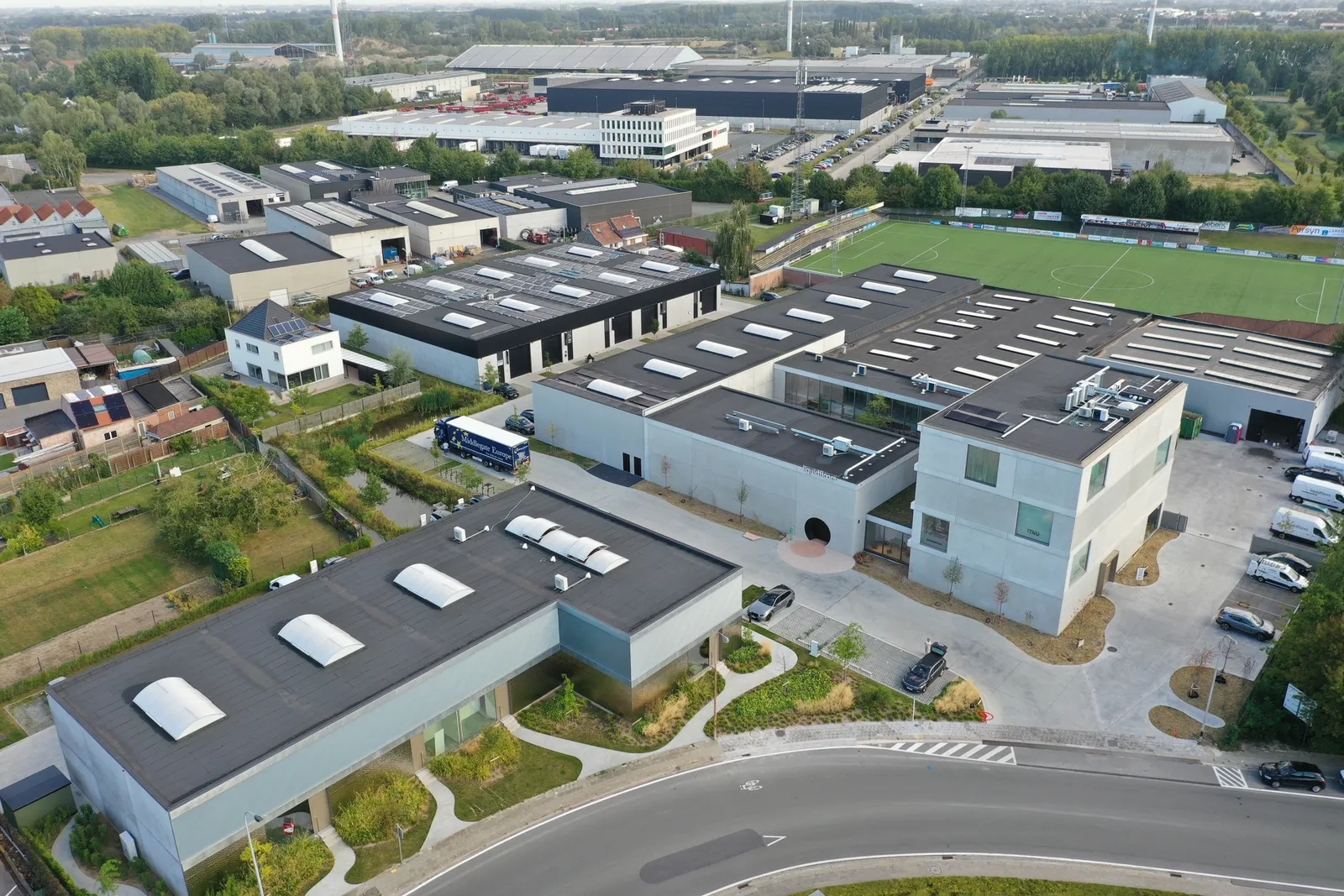
One example is the redevelopment of the Transport Gheeraert site in Sint-Niklaas. “What was once a single-use site has evolved into a contemporary development that makes more efficient use of space and accommodates several business activities within one coherent whole,” says Vandendriessche.
Hexagon is applying this approach across several projects. It has built up extensive expertise in the conversion of former industrial land, remediating contaminated sites and then transforming them into modern business parks with a clear layout and shared facilities.
Environmental quality
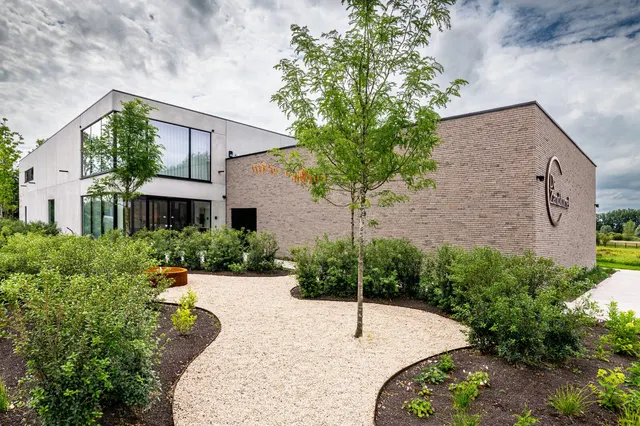
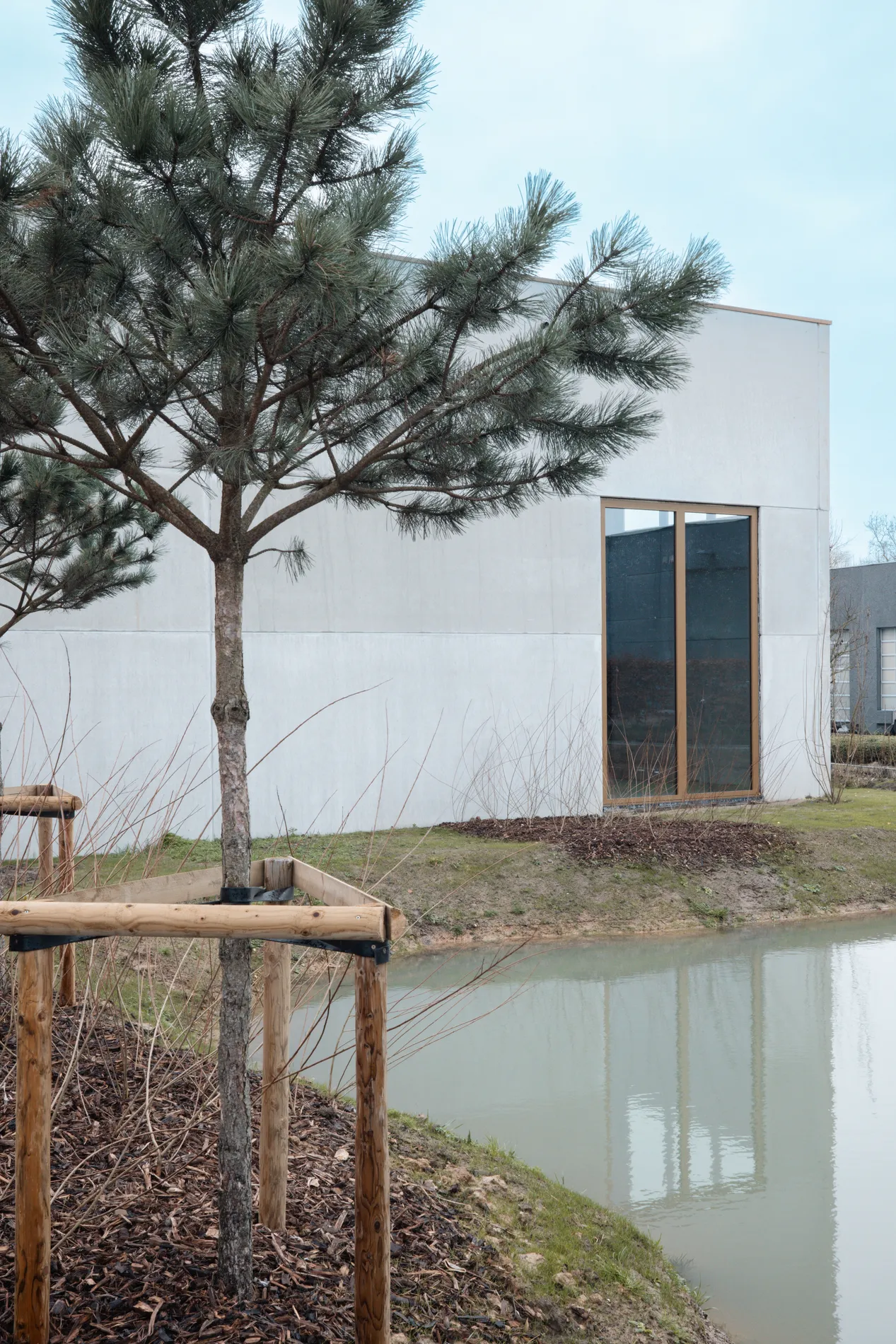
When functions are combined and organised more compactly, for example in taller buildings, the question inevitably arises of how a development fits into its surroundings. For Hexagon, this means closely integrating projects with the neighbourhood, with a strong focus on the aesthetic and sustainable qualities of the new development.
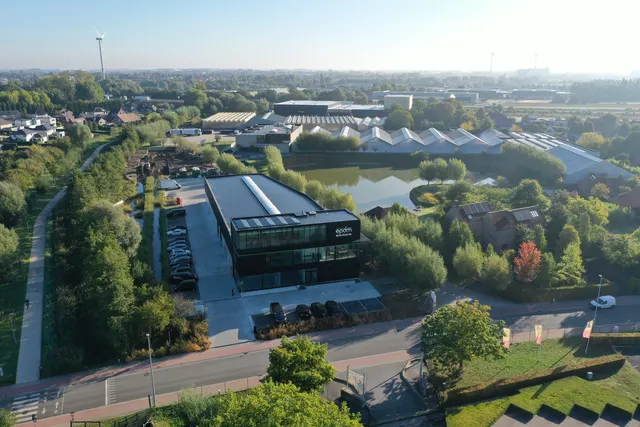
Jelle Vandendriessche: “That is the case, for example, at Park Apart in Zwevegem, where business activity is combined with the extensive integration of green space and water. The project deliberately prioritises a high-quality working environment, with a focus on infiltration, biodiversity and pleasant surroundings for users.”
“Green and blue infrastructure, such as water retention basins, swales, rows of trees and natural areas, is an integral part of the design. It not only supports infiltration and cooling, but also improves the quality of life on and around the site,” Vandendriessche continues.
Greater efficiency
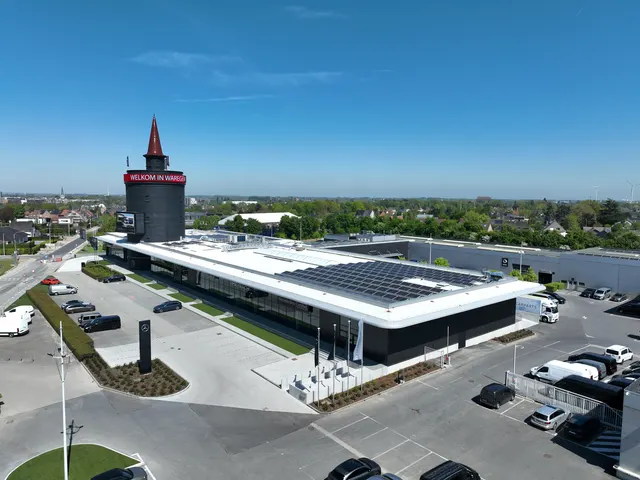
Hexagon also invests in shared infrastructure, such as parking and charging points. Rather than being organised individually by each company, these are planned collectively. This makes more efficient use of space and creates more usable floor area without taking up additional land. This approach is also applied at projects such as Hexahub in Roeselare. “By clustering different companies and sharing infrastructure, we can make efficient, future-proof use of the available space,” says the CEO.
Mobility also plays a central role in this approach. New developments are linked as far as possible to existing infrastructure and transport corridors. This improves access for employees, customers and suppliers, while also limiting the impact on the surrounding area.
From floor space to value
This way of working also calls for a different role from property developers. It is not just about developing and building, but also about analysing needs and taking a long-term view. “We now look at a site much more broadly than we used to,” says Jelle Vandendriessche. “It is not just about what is built, but above all how a place will work for the companies based there and for the surrounding area.” This approach is part of a wider trend, as the sector as a whole looks for ways to optimise or reactivate existing sites. “Scarcity is not a brake on development, but an opportunity to make projects more considered, efficient and future-proof,” says Jelle Vandendriessche.
Een zakelijke vraag aan Hexagon Vastgoedontwikkeling? Get in touch
Companies in this story
Keep following this
Get an email when a new story is published. No account needed.
- ThemeBuilding and using business premises
- SubjectConstruction
- CompanyHexagon Vastgoedontwikkeling