Developing coastal property with less space and greater responsibility
Text Anse KeisseImage POC
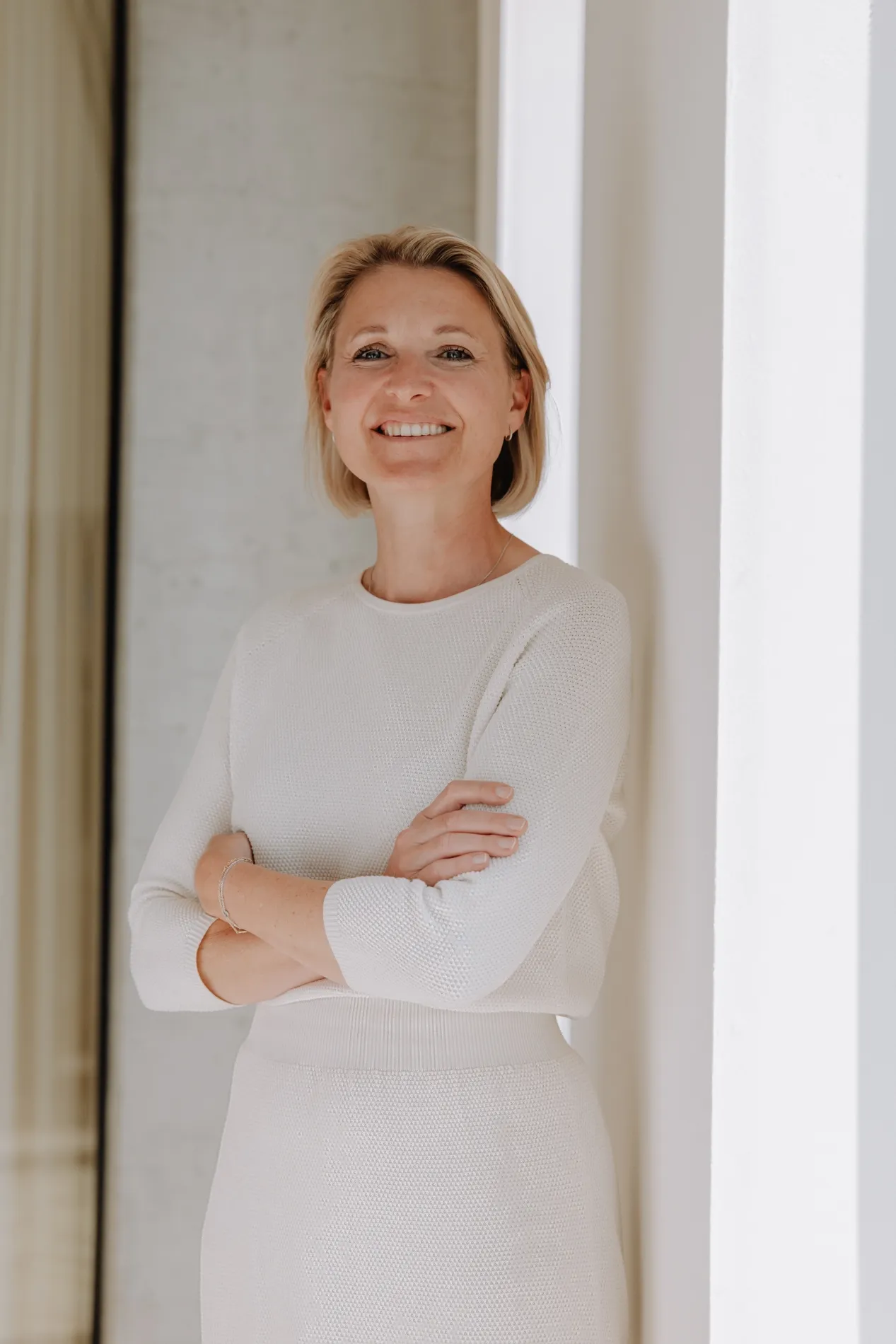
The Belgian property market is at a crossroads. Economic uncertainty, changing buyer behaviour, slow permit procedures and a structural shortage of building land are forcing developers to make targeted choices. For project developer POC Real Estate, which specialises in coastal property, this is not a temporary market cycle but the new framework within which property development must now take place.
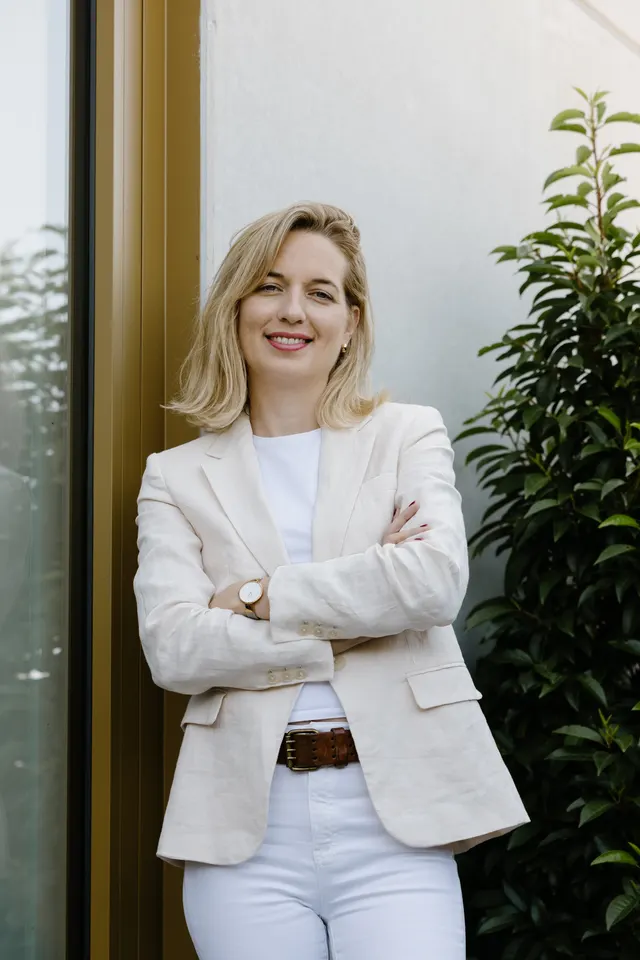
POC Real Estate operates in a segment where tensions in the property market are felt every day. More than anywhere else in the country, supply and demand are often out of sync on the coast. Continued demand for second homes and holiday properties, limited availability of building land and strict regulations create a sought-after market that often lacks the supply buyers want. According to CEO Elisabeth Van Damme, the traditional way of thinking about property is no longer sustainable. “Demand is there, but the supply of new-build properties continues to fall because permits are delayed and projects are becoming more complex. This mismatch is forcing us, as project developers, to work differently and plan differently.”
A market that is slowing, but not standing still
The figures confirm this shift. Whereas new-build properties still accounted for a substantial share of transactions ten years ago, that share has fallen sharply. At the same time, price growth has levelled off. “Prices have stabilised in many municipalities, and have even fallen slightly in some. This does not point to weaker demand, but to a market catching its breath,” Van Damme notes.
Buyer behaviour has also changed since the covid period. Higher interest rates and economic uncertainty mean that decisions are being made later. Buying off-plan has become less straightforward. “People want certainty first. They only commit once a project is tangible.” For developers, this means the bar is set higher even before the first sale takes place.
Project development requires more preparation today
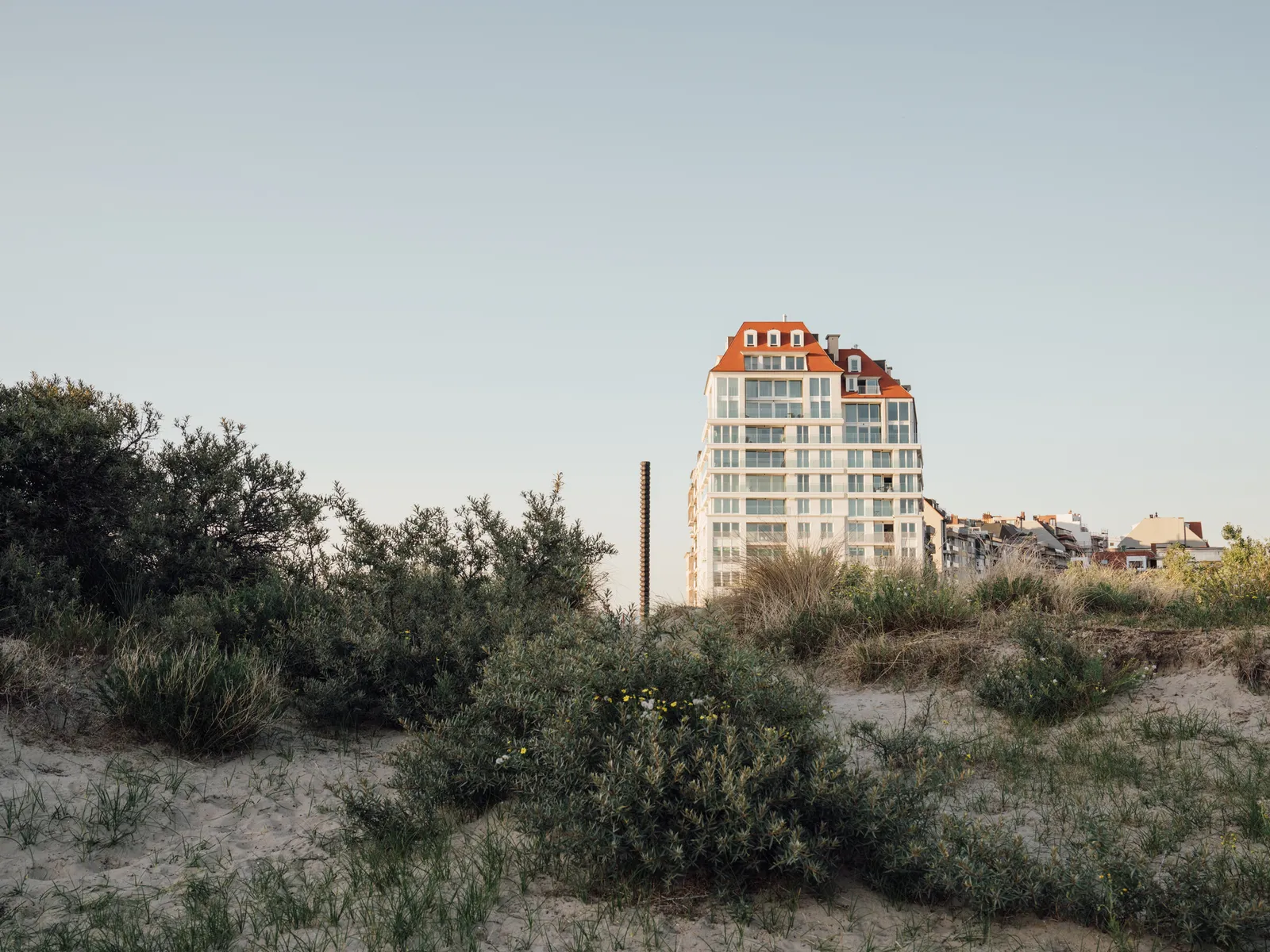
At POC, this context translates into thorough project preparation, with attention to content, surroundings and feasibility from the outset. The company is currently working on new residential areas in De Haan and Blankenberge that bring together homes, public space and neighbourhood amenities. “These projects take years to prepare. Not just because of technical or financing considerations, but above all because of the discussions with all stakeholders.”
That dialogue is no longer a formality, but an essential part of the development process. “We are at the start of a new term of office, which brings renewed stability,” Van Damme explains. “The rules are clearer, making genuine collaboration with local authorities possible. At the same time, every project remains bespoke, tailored to its surroundings and expectations.”
Increasing density without compromise
One of the biggest challenges remains increasing density, as creating more space is no longer an option. “Nature must be respected. The question is not how much we can build, but how we can use the available space more intelligently. That means increasing density where possible, while also investing in green space, public access and quality of life.”
In Blankenberge, this vision is taking shape in the redevelopment of Petit Rouge, a distinctive coastal site. POC is deliberately returning forty per cent of the site to the city, making room for a square and public passageways. In De Haan, the development is less dense than permitted, and a park is being transferred to the municipality. “This takes discussion and compromise, but it results in projects that work for the surrounding area too.”
Quality as a long-term choice
Notably, Elisabeth Van Damme uses the word ‘sustainability’ sparingly. “It must not be a trendy label. For us, it has been second nature for years. That approach informs our choice of materials, energy efficiency and social integration, as well as our financial and operational decisions.”
Although ESG reporting is not yet mandatory, the company has deliberately used it internally as an opportunity to rethink the entire value chain. “Not to tick boxes, but to make better choices. Which materials really make a difference? Where are the quick wins? And where should we invest today with the long term in mind?” says Van Damme.
“We do not want to deliver the most eye-catching projects,” the CEO concludes. “We want projects that stand the test of time: in their design, lifespan and experience. Not building faster or bigger, but more thoughtfully.”
A business question for POC Real Estate? Get in touch
Companies in this story
Keep following this
Get an email when a new story is published. No account needed.
- SubjectConstruction
- CompanyPOC Real Estate